

Shoppers make decisions fast. They scroll, compare, zoom in, switch tabs, and judge a product long before they read the full description. That is exactly why Why 3D Modeling is Essential for Creating Stunning Product Lifestyle Images is still such an important topic for brands in 2025. If your visuals do not feel polished, believable, and on-brand, it gets harder to hold attention.
Product lifestyle imagery has changed. Brands now need more than a few attractive hero shots. They need image sets for marketplaces, social ads, product pages, email campaigns, retail decks, and launch materials. They also need consistency across every channel. 3D modeling makes that possible in a way traditional photography often cannot, especially when products are still in development, have many variations, or need scenes that would be expensive to build in real life.
The point is not to replace photography in every case. The point is to create better visual control. With a strong 3D model, your team can build scenes that look natural, match your brand, and stay flexible when packaging, colors, finishes, or messaging change at the last minute. That flexibility is a major reason more brands now treat 3D as a core part of their content system, not just a backup option.
Why 3D Modeling is Essential for Creating Stunning Product Lifestyle Images
A lifestyle image has one job: help the customer picture the product in use. That sounds simple, but it requires a lot of things to work together. The product has to look accurate. The materials need to feel real. The environment has to support the product without distracting from it. Lighting must guide the eye. Scale has to make sense. And the final image needs to fit the brand, whether the brand feels clean and minimal, warm and natural, or bold and premium.
3D modeling gives brands direct control over all of those parts. Instead of depending on a physical set, a shipping schedule, a sample that may not be final, or weather conditions on shoot day, teams can build the exact scene they need around the product. They can test different surfaces, props, camera angles, and lighting setups before approving the final direction.
This is especially useful when a product line includes multiple SKUs. Once the model is built correctly, it becomes much easier to create fresh visuals for different colors, labels, sizes, or packaging updates while keeping the same visual language across the entire catalog. If you want a deeper look at scene building, this guide on 3d lifestyle scenes how to show your product in a realworld setting is a helpful next step.
Photorealism Is No Longer Optional
In 2025 and 2026, buyers are used to high-quality digital visuals. They can spot weak imagery quickly. Plastic-looking materials, odd reflections, unrealistic shadows, and awkward composition all create doubt. Even if the product itself is excellent, poor visuals can make it feel cheap or unfinished.
That is where good modeling matters. A realistic render starts long before the final lighting pass. The geometry has to be accurate. Curves need to catch light naturally. Tiny details such as seams, bevels, embossing, caps, closures, labels, stitching, and surface texture all affect whether the image feels believable.
From there, materials do the heavy lifting. Matte paper, brushed metal, frosted glass, rubber, fabric, ceramic, polished plastic, and coated cardboard all react differently to light. If those material properties are off, the scene falls apart. Strong 3D artists know that realism comes from many small decisions, not one magic setting. If your team is comparing visual approaches, this article on what is photorealistic 3d rendering 360 render explains the standard brands should expect today.
Faster Content Production Without Rebuilding Every Shoot
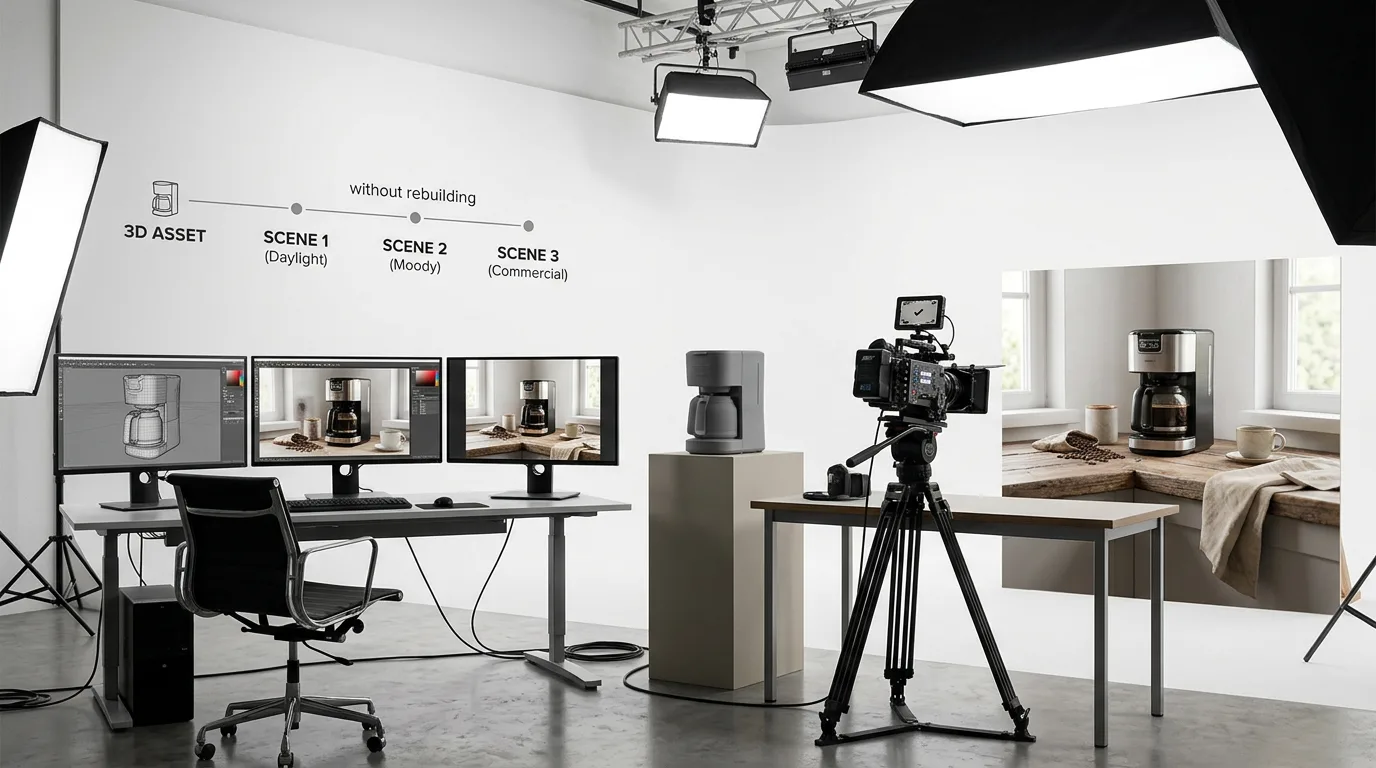
Traditional product photography can work well, but lifestyle campaigns often become complicated. You need a location or a set. You need props. You need the latest product sample. You may need multiple rounds if packaging changes, if the marketing team wants a different seasonal look, or if the retailer asks for alternate framing. Every update creates more production work.
With 3D modeling, the product becomes a reusable asset. That changes the workflow completely. Once the model is approved, your team can produce a kitchen scene for one campaign, a clean studio-style composition for a marketplace listing, and a close-up detail image for packaging copy without starting from zero each time.
This is one of the biggest practical advantages for growing brands. A single product asset can support launch content, evergreen ecommerce imagery, retailer collateral, and social media variations. It also helps global teams stay aligned. Instead of each market improvising visuals, everyone can work from the same approved digital product file and brand direction.
For brands weighing production options, this comparison of 3d rendering vs photography which is better for product listings in 2025 is worth reading.
Better Creative Control Means Better Brand Consistency
Consistency is one of the most underrated benefits of 3D lifestyle imagery. In a photo-based workflow, small differences can creep in from shoot to shoot. Lighting changes. Lens choices shift. Props do not match. Color correction varies. Background styling moves in a slightly different direction. Over time, the brand starts to feel visually fragmented.
3D modeling makes it easier to build a repeatable system. You can define camera height, focal length, lighting style, shadow softness, material response, and environment design. Then you can apply those same standards across a full campaign or product family. The result is imagery that feels related, even when the scenes are different.
This matters for premium brands, but it also matters for practical ecommerce. Customers often compare products side by side. If one item looks dramatically different from the next because the visual style changes, trust can drop. A consistent image system helps the catalog feel intentional and easier to shop.
It also helps internal teams. Designers, marketers, ecommerce managers, and sales teams all benefit when there is one visual standard instead of a patchwork of assets built under different conditions.
3D Modeling Supports Products That Do Not Exist Yet
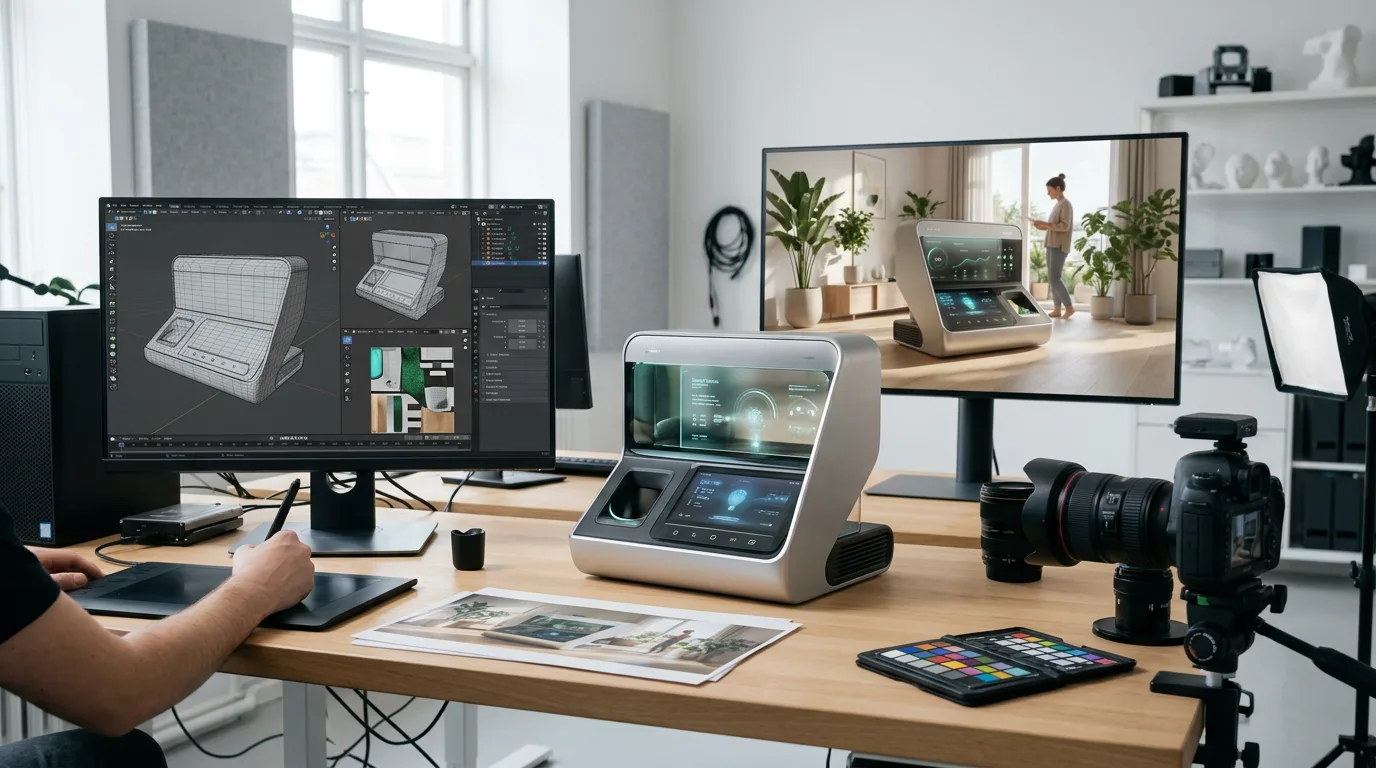
One of the clearest reasons 3D modeling remains essential is simple: many products need marketing before final inventory is ready. A brand may be preparing for a launch while packaging is still in revision. A manufacturer may need sales materials before the first production run. A startup may be pitching buyers or investors with only prototypes, CAD files, or engineering drawings in hand.
Photography cannot solve that problem unless a finished sample exists. 3D can.
That makes 3D lifestyle imagery especially valuable for product launches, pre-orders, packaging redesigns, and line extensions. Instead of waiting for physical samples, teams can create polished visuals early, gather feedback, and go to market faster with a clear message. This is also why 3D is common in categories where product development cycles are tight, including consumer electronics, wellness products, home goods, furniture, medical products, and industrial equipment.
If you are building a production plan from scratch, this resource on what is a 3d product rendering studio and how do they deliver results gives a useful overview of how professional teams handle this process.
Practical Tips for Better Product Lifestyle Images
Whether you are working with an agency or managing content internally, a few choices will make your lifestyle renders much stronger.
Start with the customer use case
Do not begin with a random pretty scene. Begin with where and how the product is actually used. A countertop appliance should feel at home in a believable kitchen. A skincare bottle should sit in a bathroom or vanity setting that matches the brand. A speaker should appear in a living space with the right scale and mood. The scene should support the buying decision, not just decorate the page.
Keep the environment secondary
Lifestyle imagery should create context, but the product still needs to lead the frame. Overstyled backgrounds, busy props, or dramatic environments can pull attention away from the item you are trying to sell. A good rule is simple: if the customer remembers the set more than the product, the image is missing the mark.
Build one master model the right way
Rushing the model stage usually creates problems later. If the geometry is inaccurate or the materials are poorly organized, every future image becomes harder to fix. A strong master file saves time because it supports future angles, variants, close-ups, and campaign updates.
Plan for multiple outputs from the start
One scene may need to work as a website banner, a square social crop, a marketplace image, and a retailer presentation slide. If framing is too tight or the composition only works in one format, your team will need unnecessary revisions. Think about asset usage early so the render set works harder for the brand.
Match lighting to the product story
Soft daylight can make wellness, skincare, and home goods feel calm and approachable. Crisp directional lighting can give electronics or premium packaging more presence. The right lighting is not just about realism. It shapes emotion and brand perception.
Use 3D as a system, not a one-off project
The smartest brands do not commission a single hero render and stop there. They create a visual library. That can include lifestyle scenes, white-background images, detail close-ups, packaging variations, spin views, and even animation. If you need a service built around that approach, 3d product rendering services can support a broader content pipeline instead of a single image request.
Real-World Examples Where 3D Lifestyle Imagery Works Best
Consider a supplement brand preparing a new product line. The final bottles are still in production, but the marketing team needs launch visuals now. With 3D, they can create clean countertop scenes, ingredient-inspired compositions, and ecommerce images before the first shipment arrives. If label copy changes, they update the file instead of reshooting everything.
Or think about a furniture company introducing a sofa in several fabric options. Photographing every colorway in multiple room sets can be expensive and hard to keep visually consistent. A well-built digital model lets the brand show the same piece in different interiors while keeping lighting, camera angle, and styling aligned. For companies in that category, dedicated 3d furniture rendering services can make catalog growth much easier to manage.
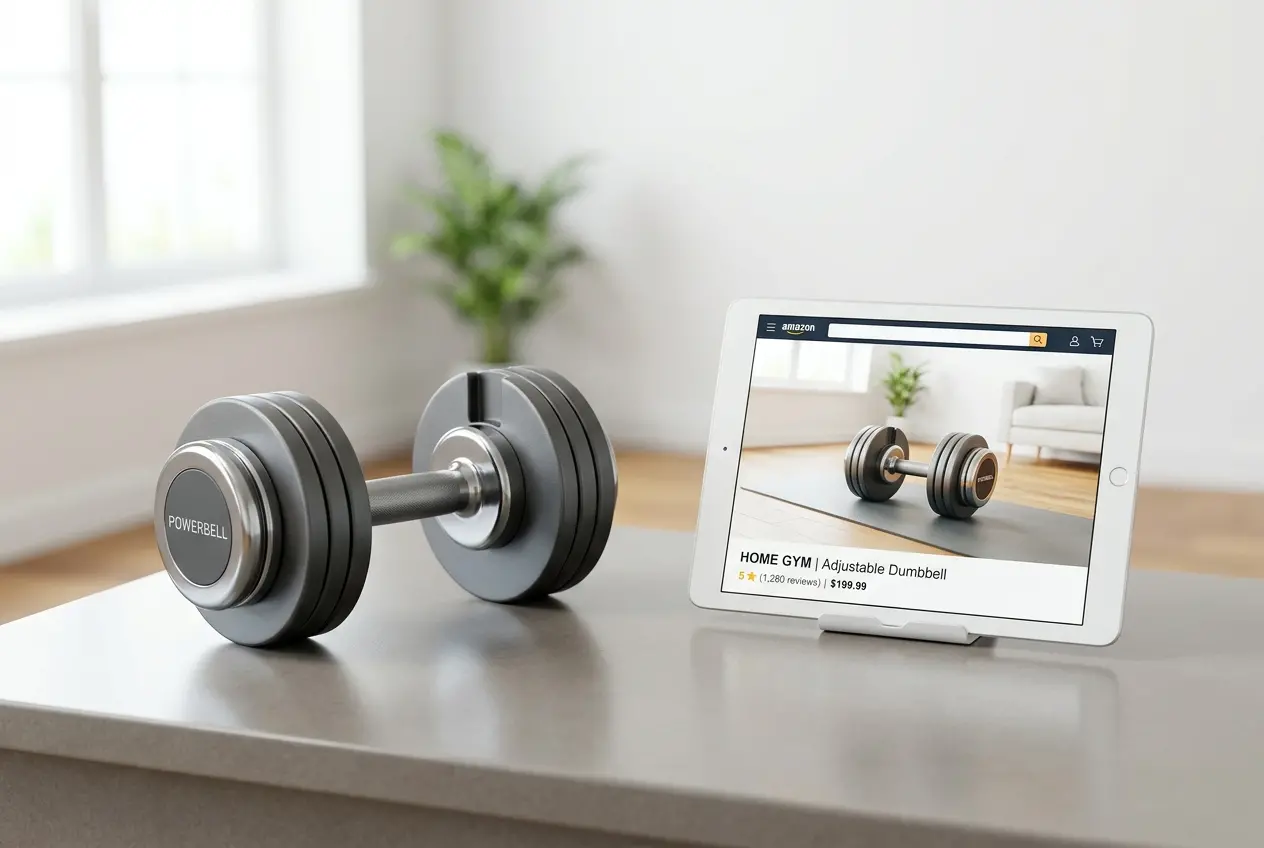
Another common case is Amazon and marketplace content. Sellers need a mix of compliant main images and persuasive secondary visuals. 3D helps teams create both. A single approved product model can support white-background images, feature callouts, exploded views, and lifestyle scenes that explain use and value. Brands focused on marketplace growth often pair this with amazon product rendering to keep listings polished and consistent.
Choosing the Right Partner for 2025 and 2026
Not every rendering provider approaches product lifestyle work the same way. Some are strong at technical modeling but weak at visual storytelling. Others can create attractive scenes but miss product accuracy. You need both.
Look for a team that asks smart questions about your product, audience, channels, and brand standards. They should care about materials, manufacturing details, packaging accuracy, and scene purpose. They should also have a clear review process, because good results usually come from collaboration, not guesswork.
It is also worth asking how they handle future updates. Can they build a reusable asset library? Can they support new variants later? Can they create matching studio images, spin renders, or alternate aspect ratios from the same model? Those details matter if you want visuals that stay useful beyond one campaign.
If you are comparing options, this guide on how to choose the best 3d product rendering company for your brand can help you ask the right questions before hiring.
Conclusion
At this point, the value of Why 3D Modeling is Essential for Creating Stunning Product Lifestyle Images is not just about making things look nice. It is about giving brands more control, more flexibility, and a more reliable way to produce visuals that actually sell. When the model is built well, your team can create lifestyle content that feels real, stays consistent, adapts to change, and supports the full customer journey.
That is why Why 3D Modeling is Essential for Creating Stunning Product Lifestyle Images remains such a practical topic for modern ecommerce and product marketing teams. Strong visuals are no longer optional, and 3D modeling is often the smartest way to create them at scale.
If you want image assets that are accurate, brand-ready, and built for real-world marketing use, explore our lifestyle image conversion solutions or contact us to discuss your next product launch.
Frequently Asked Questions
Why is 3D modeling important for creating realistic product lifestyle images?
3D modeling allows brands to place products in highly realistic environments without needing physical sets, props, or location shoots. This makes it easier to control lighting, angles, textures, and composition while producing polished lifestyle images that look consistent and professional.
How does 3D modeling reduce the cost of product lifestyle photography?
With 3D modeling, businesses can avoid many traditional production expenses such as studio rental, shipping samples, hiring photographers, and building custom sets. Once a product is modeled, it can be reused across multiple scenes and campaigns, making content creation far more cost-efficient over time.
Can 3D modeling help create product lifestyle images before manufacturing is complete?
Yes, one of the biggest advantages of 3D modeling is that brands can generate lifestyle images before the physical product is fully manufactured. This helps companies launch marketing campaigns earlier, validate concepts faster, and create sales materials without waiting for final product samples.
How does 3D modeling improve consistency across product lifestyle images?
3D modeling gives creative teams complete control over product appearance, camera perspective, and environmental details, which helps maintain a unified look across all visuals. This is especially useful for ecommerce brands that need consistent lifestyle imagery across websites, marketplaces, ads, and social media.
Is 3D modeling better than traditional photography for product lifestyle images?
3D modeling can be a better option when brands need flexibility, scalability, and fast revisions for multiple product variations or campaign concepts. Traditional photography still has value, but 3D workflows often make it easier to update colors, swap backgrounds, and create new lifestyle scenes without reshooting everything.
1 comment
Explodingbrands
Fantastic read! I really appreciate how clearly you explained the topic—your writing not only shows expertise but also makes the subject approachable for a wide audience. It’s rare to come across content that feels both insightful and practical at the same time. At explodingbrands.de we run a growing directory site in Germany that features businesses from many different categories. That’s why I truly value articles like yours, because they highlight how knowledge and visibility can create stronger connections between people, services, and opportunities.Keep up the great work—I’ll definitely be checking back for more of your insights!