Why Picking the Right 3D Rendering Partner Matters More Than You Think
If you’ve ever spent weeks going back and forth with a vendor who just couldn’t capture your product the way you imagined it, you already know how costly the wrong choice can be. Knowing how to choose the best 3D product rendering company for your brand isn’t just about finding someone who can make pretty pictures — it’s about finding a team that understands your industry, your customers, and the specific story you’re trying to tell. The difference between a mediocre render and a stunning one can directly impact conversion rates, ad performance, and ultimately your bottom line.
3D product rendering has become a standard tool for brands across furniture, consumer electronics, fashion accessories, packaging, and dozens of other categories. But as demand has grown, so has the number of agencies claiming to offer world-class results. Some deliver. Many don’t. The challenge isn’t finding a 3D rendering company — it’s finding the right one for your specific needs, budget, and timeline.
In this guide, we’ll walk through exactly what to look for, what questions to ask, and what red flags to avoid. Whether you’re launching a new product line or refreshing an existing catalog, these insights will help you make a smarter, more confident decision.
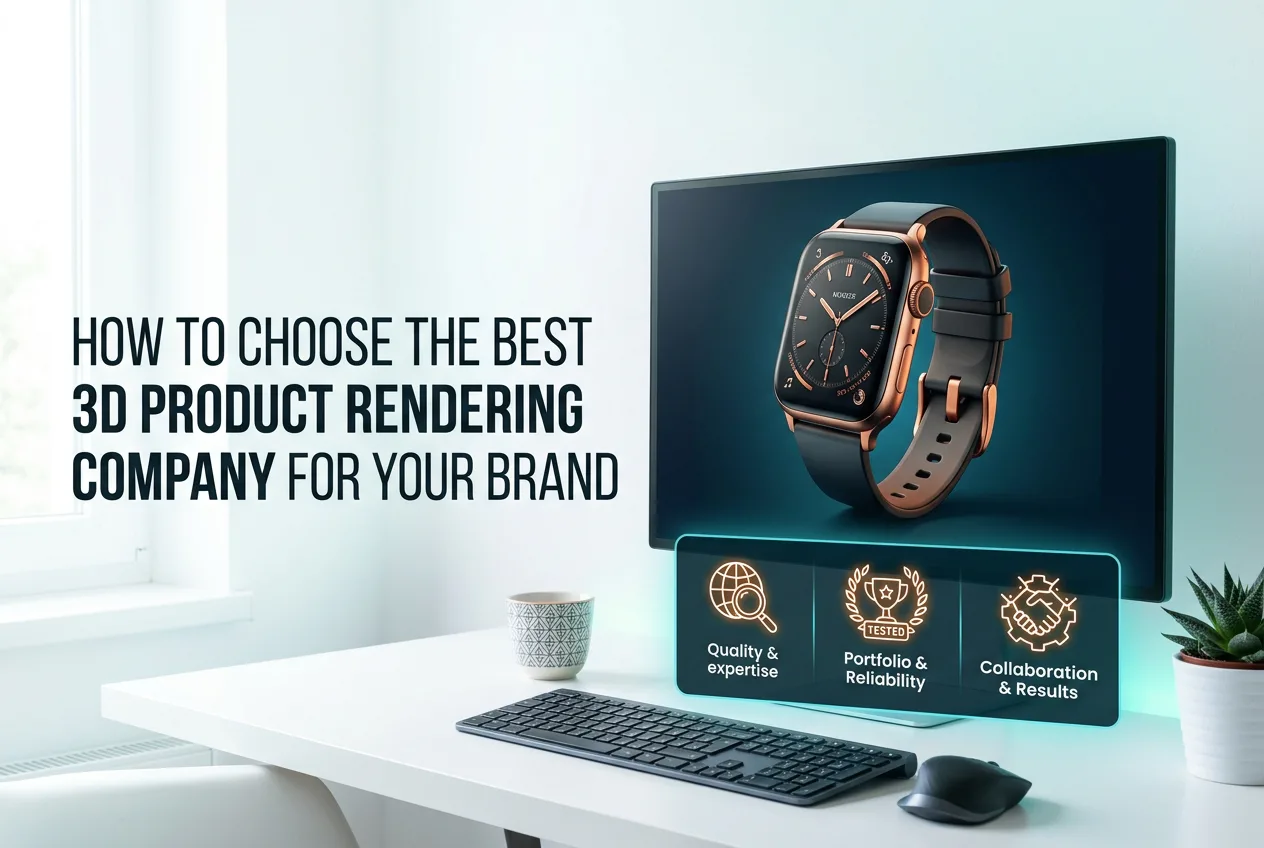
How to Choose the Best 3D Product Rendering Company for Your Brand: The Core Criteria
Before you start comparing quotes, you need to know what you’re actually evaluating. Most brands make the mistake of leading with price. That’s understandable — budgets are real — but if you anchor your decision on cost alone, you’ll almost always end up disappointed. Here are the factors that should drive your evaluation.
1. Portfolio Quality and Industry Relevance
The first thing you should look at is the portfolio. Not just whether the renders look good in general, but whether the company has experience with products similar to yours. A firm that specializes in architectural visualization may struggle with the material complexity of a chrome-finished kitchen appliance. One that’s known for footwear might not have the right lighting setup instincts for transparent packaging.
Look for realism. Are the shadows believable? Do the materials — leather, metal, fabric, glass — look like actual physical substances or like 3D approximations? Are the scenes composed in a way that communicates a lifestyle or just fills space? These subtle things separate genuinely skilled studios from technically capable but artistically limited ones.
Also pay attention to variety within the portfolio. A strong team should be able to handle simple white-background product shots, complex lifestyle scenes, and everything in between. If every render in the portfolio looks like it was made with the same template, that’s a concern.
2. Communication and Project Management
This one gets overlooked constantly. Rendering is a collaborative process. You’ll need to share briefs, reference images, brand guidelines, CAD files, and feedback at multiple stages. If the team is hard to reach, slow to respond, or unclear in their communication, your project will drag on far longer than it should.
During initial conversations, notice how they engage. Do they ask thoughtful questions about your brand and audience? Do they explain their process clearly? Do they set realistic expectations about timelines and revisions? A company that’s eager to close a deal without fully understanding your needs is a company that will surprise you later — usually not in a good way.
Good studios have a defined workflow. They’ll typically walk you through concept approval, initial draft renders, revision rounds, and final delivery with clear milestones along the way. That structure protects both parties and keeps projects on track.
3. Technical Capability and Software Expertise
Not all rendering software is equal, and not all studios are equally skilled with the tools they use. Some rely heavily on presets and stock environments. Others build custom scenes from scratch, which almost always yields better, more brand-specific results.
Ask what software they work with. Industry leaders typically use tools like Cinema 4D, 3ds Max, Blender, KeyShot, or V-Ray — but the tool itself matters less than the expertise behind it. What you really want to know is: can they work with the file formats you have? Do they create their own 3D models or do they require pre-made assets? Can they handle complex materials, animations, or interactive configurations if needed?
For brands that sell configurable products — furniture in multiple fabrics, electronics in different colorways, apparel in various prints — the ability to produce 3D product configurators is a major advantage worth asking about directly.
4. Scalability and Turnaround Time
One render is rarely enough. If you’re building out a product catalog, launching a campaign, or updating a full line seasonally, you need a partner who can scale with you. A boutique studio with two artists might produce incredible work but buckle under a 200-SKU catalog project. Larger studios may have the capacity but lack the personal attention that keeps quality consistent.
Ask about their team size, average turnaround times, and how they handle rush projects. Also ask whether they have experience managing large volume renders while maintaining consistency across all assets. For e-commerce brands especially, visual consistency is critical — every product image needs to feel like it belongs to the same family.
What Types of 3D Renders Do You Actually Need?
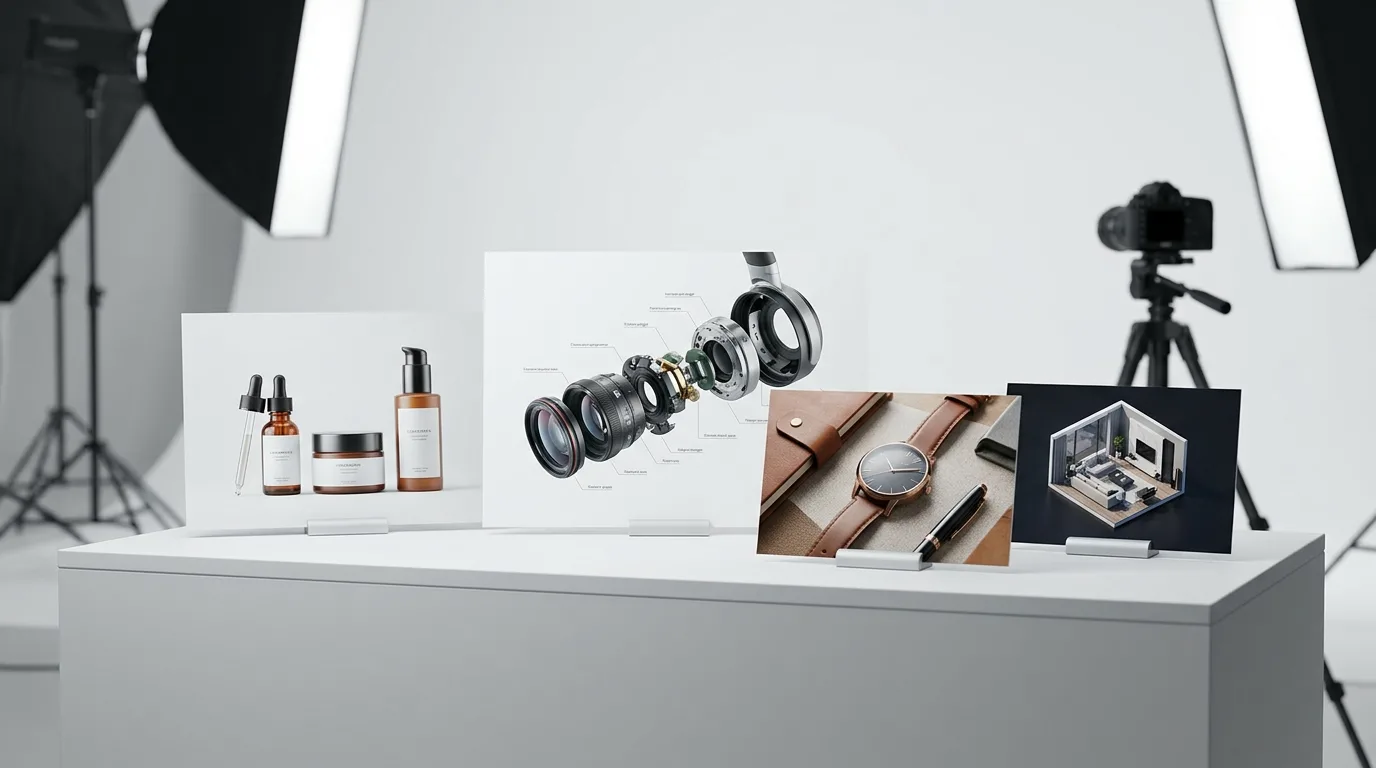
Before you can evaluate a company’s capabilities, you need to be clear on what you actually need. There’s a big difference between a static hero image for a product page and a fully animated exploded view for a product launch video. Here’s a quick breakdown of the most common types.
Still Product Renders
These are the bread-and-butter of 3D product visualization — single images showing your product from one or multiple angles. They can be placed on white or transparent backgrounds for e-commerce use, or composited into lifestyle settings for marketing materials. Product rendering services typically cover this as a core offering, and it’s usually where most brands start.
Lifestyle and Scene Renders
Lifestyle renders place your product in a realistic environment — a living room, a kitchen, an outdoor setting. These are powerful for storytelling and work especially well for home goods, furniture, and consumer products where context helps the buyer visualize ownership. The quality of a lifestyle render depends heavily on the studio’s ability to build convincing environments, not just model products accurately.
360-Degree and Interactive Renders
Shoppers increasingly expect to examine products from every angle before buying. 360-degree product views give customers that ability without requiring a physical photo shoot. This type of render is particularly valuable for products with interesting design details — shoes, watches, electronics — where the back and sides matter as much as the front.
Animation and Video
Sometimes a still image isn’t enough to communicate how something works or why it’s special. 3D product animations can show assembly, highlight internal mechanisms, or simply bring a product to life in a way static images can’t. These are more resource-intensive to produce, so make sure the studio has a genuine animation reel to review — not just still renders they’re claiming to adapt into motion work.
Practical Tips for Evaluating Your Shortlist
Once you’ve done your initial research and have two or three studios in mind, here’s how to go deeper before making your final call.
Request a test render or paid trial project. Some studios offer this for a small fee. It’s one of the best ways to evaluate actual quality, communication, and turnaround time before committing to a larger engagement. Be cautious of any company that refuses to do any kind of trial work — established studios with nothing to hide are usually happy to prove their capabilities on a small scope.
Ask for client references. Portfolios show you what a studio can do. References tell you what it’s actually like to work with them. Ask previous clients specifically about communication, revision handling, and whether the final deliverables matched what was promised at the start.
Clarify the revision policy upfront. How many rounds of revisions are included? What counts as a “revision” versus a new request? Misalignment here is one of the biggest sources of frustration in rendering projects. A good studio will have a clear, documented policy — not a vague promise to “make it right.”
Evaluate their onboarding process. The first project with any studio is always a learning curve. How they handle that initial project tells you a lot about how they’ll handle future ones. Do they gather thorough information before starting? Do they provide a brief template or guide you through their intake process? The more organized they are at the start, the smoother things will go.
Don’t ignore your gut. This sounds unscientific, but it matters. If a studio’s communication style doesn’t fit yours — if they’re formal when you prefer casual, slow when you need fast, or vague when you need precision — the working relationship will be frustrating regardless of how talented they are technically.
Common Red Flags to Watch Out For
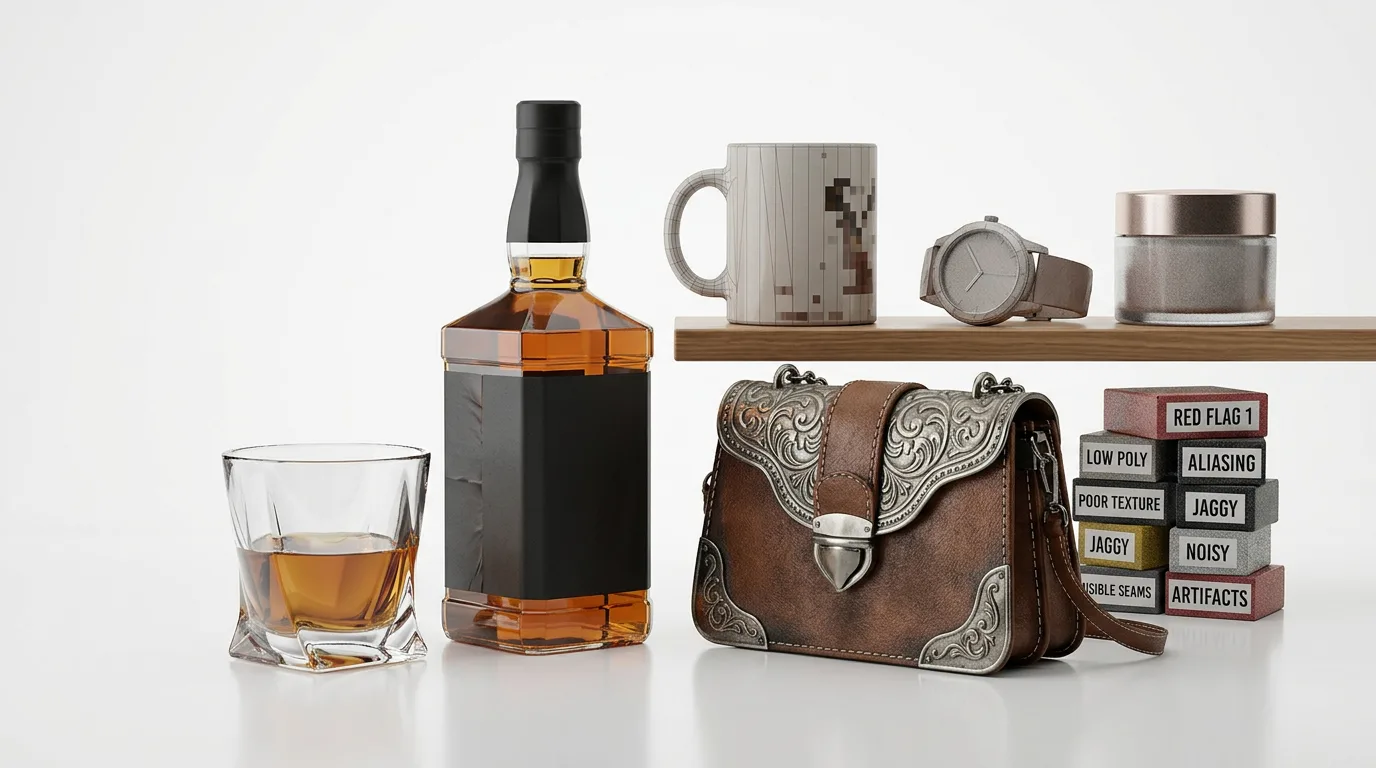
Just as important as knowing what to look for is knowing what to avoid. A few warning signs worth taking seriously:
- No clear process or documentation. If a studio can’t explain how they work, that chaos will show up in your project.
- Prices that seem too good to be true. Quality 3D rendering requires skilled artists, good software, and time. Unusually low prices often mean outsourced work, inexperienced artists, or corners cut on scene quality.
- Stock scenes passed off as original work. Some studios use purchased 3D environments and simply drop your product into them. That’s not inherently wrong, but you should know about it — and it limits customization.
- Slow or evasive responses during the sales process. If they’re hard to reach before you’ve signed anything, imagine what it’s like after.
- Portfolios full of only one style or type of product. Specialization is valuable, but extreme narrowness can be a limitation if your needs evolve.
Making the Final Decision
Understanding how to choose the best 3D product rendering company for your brand ultimately comes down to alignment — between their capabilities and your needs, their process and your workflow, their communication style and your team’s preferences. No studio is perfect. The best one for you is the one that fits your specific situation most closely.
Take your time with the evaluation process. A rushed vendor decision at the start of a product launch can create weeks of delays and revisions down the road. The upfront investment in thorough vetting pays off quickly once the work begins.
And remember — a great rendering partner isn’t just a vendor. They become an extension of your creative team. The right studio will push back when your brief is unclear, offer suggestions you hadn’t considered, and genuinely care about whether your products look their best. That kind of relationship is worth finding.
Ready to Work with a Team That Gets It?
Now that you know exactly how to choose the best 3D product rendering company for your brand, the next step is putting that knowledge to work. At 360render.com, we’ve helped brands across industries create product visuals that convert — from simple hero shots to complex animated sequences. Our process is transparent, our communication is straightforward, and our results speak for themselves.
Whether you need a single product rendered for a launch campaign or a full catalog built from scratch, we’d love to show you what’s possible. Get in touch with our team today and let’s talk about your project.
Frequently Asked Questions
What factors should I consider when choosing a 3D product rendering company for my brand?
When choosing a 3D product rendering company, evaluate their portfolio for industry-specific experience, their ability to match your brand's visual style, and the quality of their lighting and texture work. You should also consider turnaround time, revision policies, and whether they use industry-standard software like Blender, Cinema 4D, or 3ds Max. Client testimonials and case studies can further confirm their reliability and professionalism.
How much does it typically cost to hire a professional 3D product rendering company?
The cost of professional 3D product rendering varies widely depending on the complexity of the product, number of angles, and level of photorealism required, typically ranging from $200 to $2,000+ per image. High-end agencies with specialized expertise may charge premium rates, while freelance studios may offer more budget-friendly options with comparable quality. Always request a detailed quote upfront and clarify what is included, such as revisions, file formats, and licensing rights.
How can I tell if a 3D product rendering company produces photorealistic results?
To assess photorealism, closely examine the company's portfolio for accurate lighting, realistic shadows, detailed surface textures, and true-to-life material finishes like glass, metal, or fabric. Ask for before-and-after comparisons or side-by-side renders with actual product photos to gauge how closely their work matches reality. A reputable company should also be transparent about their rendering pipeline and willing to provide test renders before full project commitment.
What is the typical turnaround time for a 3D product rendering project?
Most professional 3D product rendering companies deliver initial drafts within 3 to 7 business days for standard projects, though complex or high-volume projects can take 2 to 4 weeks. Turnaround time depends on the level of detail, number of product variants, and how quickly you provide reference materials like CAD files, brand guidelines, and product specifications. Always confirm revision timelines upfront to avoid delays in your marketing or launch schedule.
Should I choose a 3D rendering company that specializes in my specific product industry?
Yes, choosing a rendering company with experience in your specific product category, such as furniture, electronics, cosmetics, or apparel, can significantly improve the final output quality. Industry specialists understand material behavior, scale accuracy, and the visual expectations of your target audience, which results in more compelling and brand-accurate imagery. Reviewing their past work within your niche will help confirm they can handle the technical and aesthetic nuances your product requires.
Also read: What Is a 3D Product Rendering Studio and How Do They Deliver Results?