What Is a 3D Product Rendering Studio and How Do They Deliver Results?
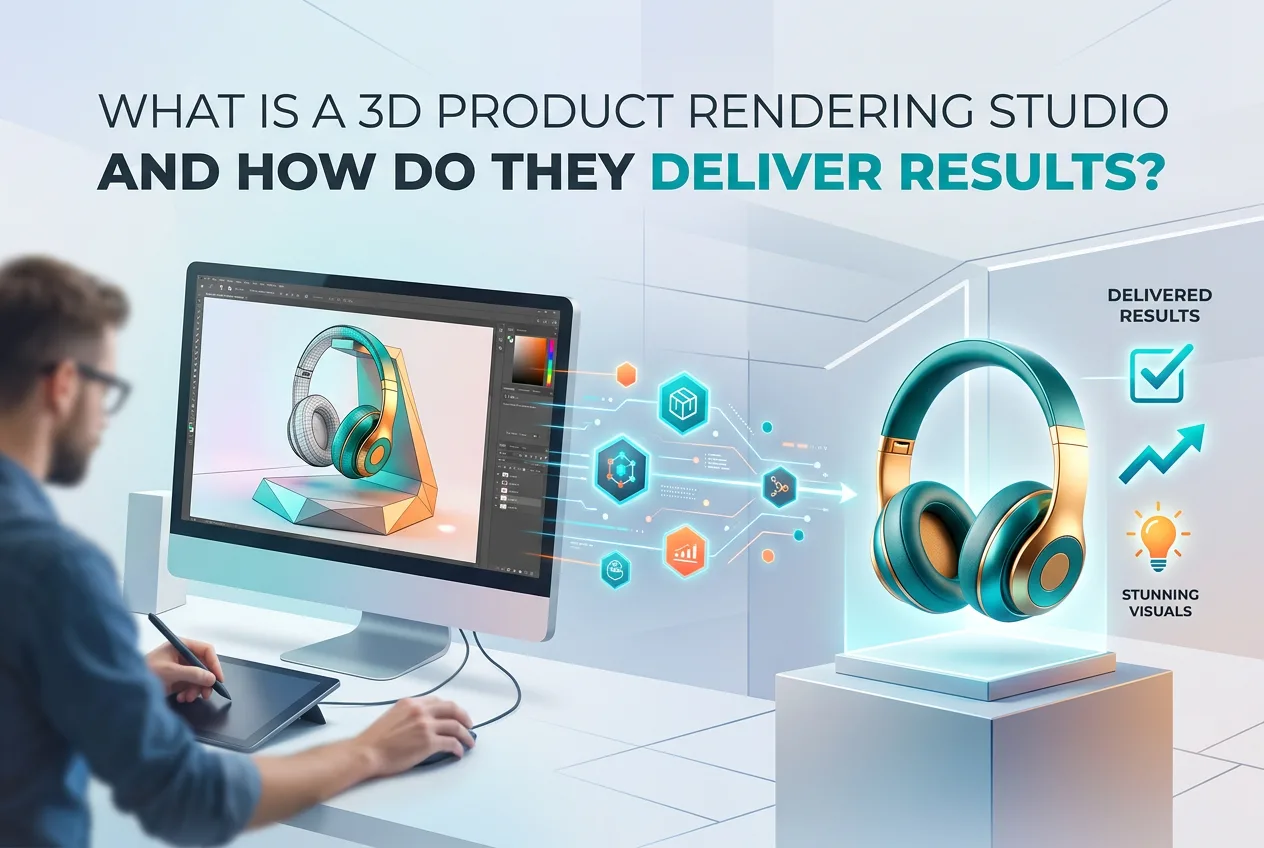
If you’ve ever wondered what is a 3D product rendering studio and how do they deliver results, you’re not alone. Brands across furniture, consumer electronics, fashion accessories, and industrial equipment are all asking the same question — usually right before they sign a contract. At its core, a 3D product rendering studio is a team of specialized artists, technical directors, and project managers who use software to create photorealistic images of products without ever picking up a camera. The output looks like photography. The process is entirely digital.
That distinction matters more than it might seem. Traditional product photography requires physical samples, studio rentals, lighting rigs, prop stylists, and a post-production team to clean up imperfections. A rendering studio sidesteps most of that. They build a product in three dimensions using modeling software, apply realistic materials and lighting, and render the final image computationally. The result? You get a stunning product image before the product even exists in physical form. That’s a real advantage when you’re trying to launch a product, attract investors, or populate an e-commerce catalog months ahead of manufacturing.
This article walks you through exactly how these studios operate, what separates a good one from a mediocre one, and what you should expect when you hand a project over to a professional 3D team.
The Core Services a 3D Product Rendering Studio Offers
Not every studio does the same thing. Some specialize in specific industries. Others offer a broader range of deliverables. But most reputable studios will cover several foundational service areas.
Still Product Renders
This is the bread and butter. A still render is a single, high-resolution image of your product from a specific angle, in a specific environment, with specific lighting. Think of a skincare bottle floating on a marble surface with soft diffused light — that’s likely a render, not a photograph. Still renders are used in e-commerce listings, print catalogs, ad campaigns, and pitch decks. They’re versatile and relatively fast to produce once the 3D model is built.
360-Degree and Interactive Product Views
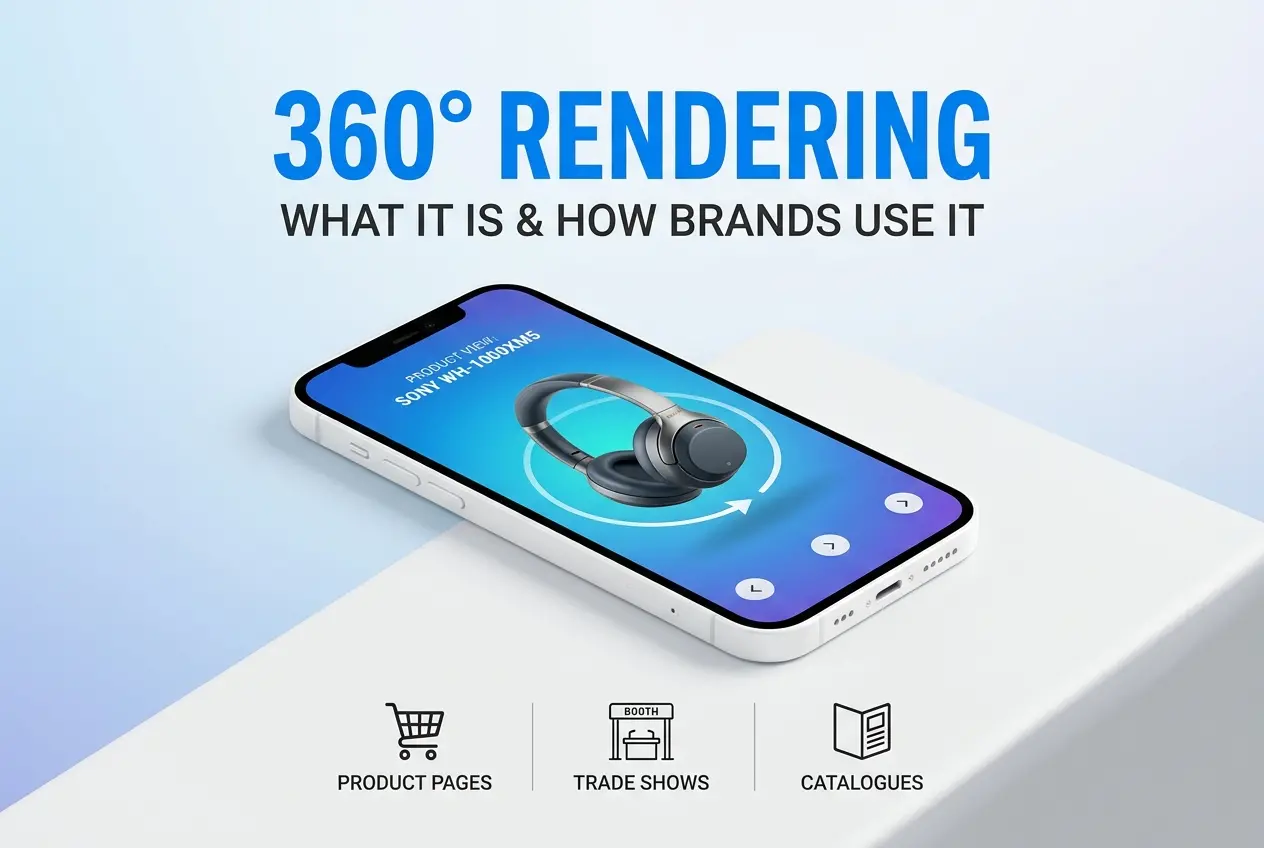
More brands are leaning into interactive experiences, especially in e-commerce. A 360-degree product view lets shoppers rotate a product on a product detail page, examining it from every angle. This dramatically reduces return rates because customers know exactly what they’re getting. Studios that specialize in this type of output need to render dozens or even hundreds of frames consistently, since even minor variations in lighting or material between frames will look jarring when animated.
Product Animation and Motion Graphics
Sometimes a static image isn’t enough. Exploded view animations that show how a product is assembled, product reveal videos for social media, or lifestyle animations with simulated environments — these all require a studio with animation expertise on top of rendering capability. The pipeline is more complex, but the storytelling potential is significant.
Lifestyle and Scene Renders
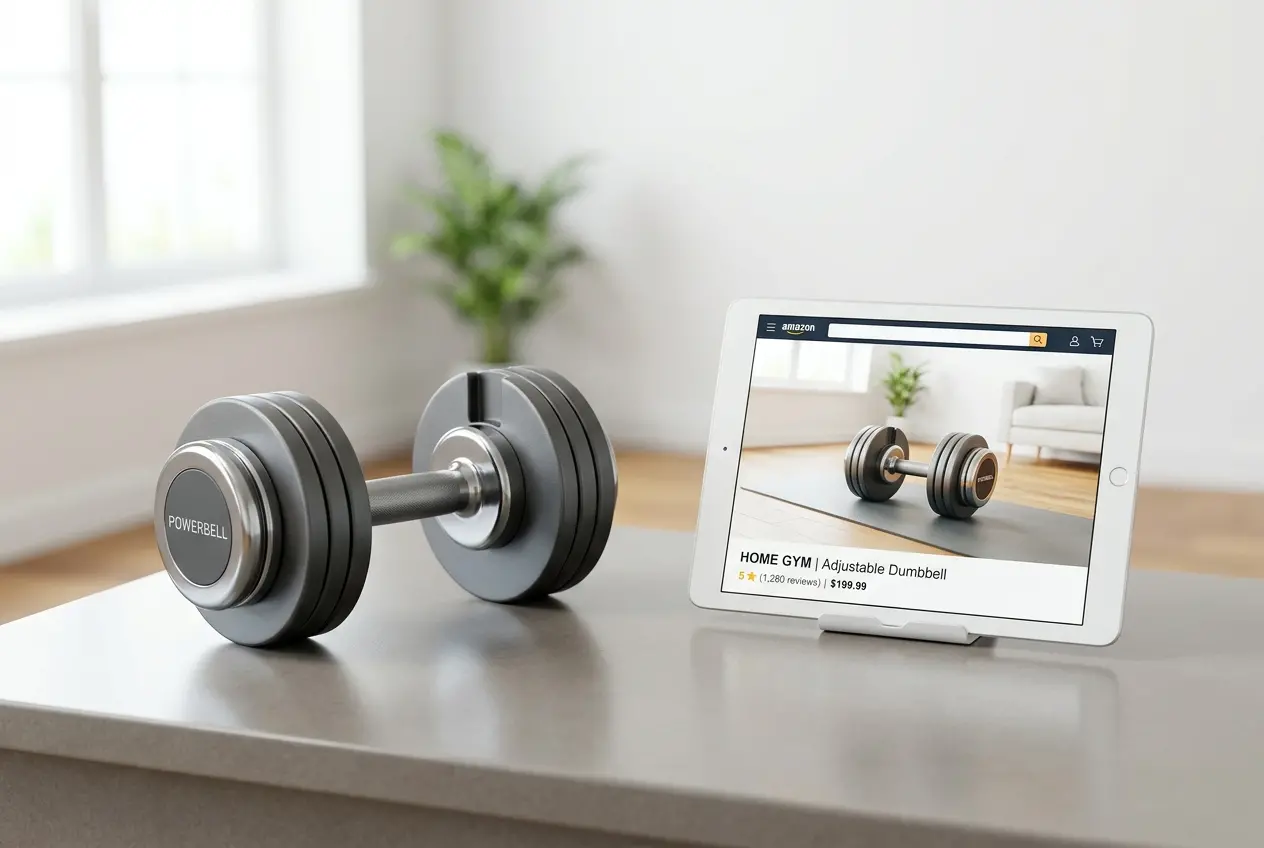
A product sitting on a white background tells you what something looks like. A product placed in a beautifully lit kitchen, outdoor patio, or modern office tells you how it fits into a life. Lifestyle renders help customers emotionally connect with a product. For furniture brands in particular, 3D product rendering services that include full scene builds are often the difference between a browser and a buyer.
The Workflow: How Studios Actually Deliver Results
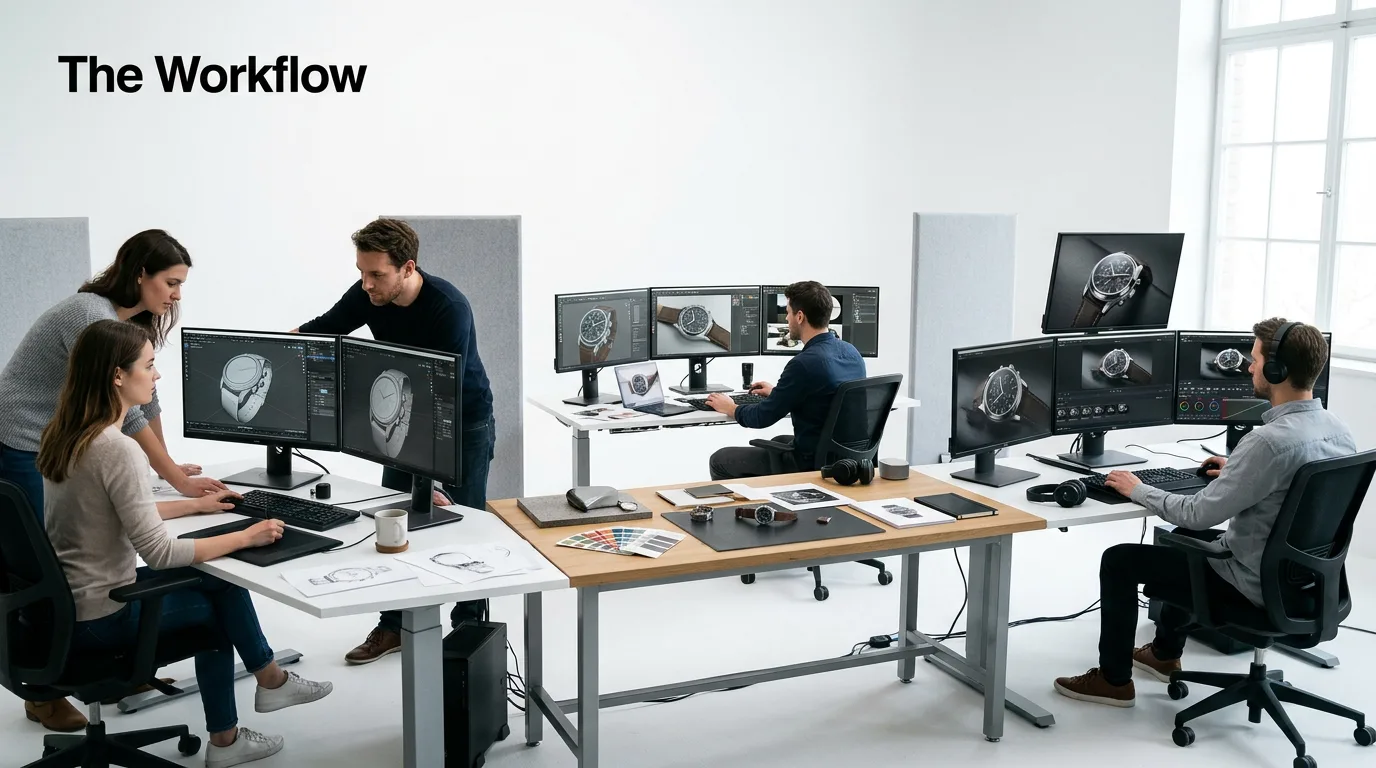
Understanding what is a 3D product rendering studio and how do they deliver results really comes down to understanding the pipeline. Studios don’t just open software and start clicking. There’s a structured process, and knowing it helps you collaborate more effectively.
Step 1: Discovery and Asset Collection
Before anything gets built in 3D, the studio needs information. That usually means collecting CAD files, technical drawings, physical dimensions, material specifications, reference images, and brand guidelines. The better your input, the better the output. Studios that skip this step or rush through it tend to produce work that requires multiple revision rounds.
Step 2: 3D Modeling
Artists use software like Blender, Cinema 4D, 3ds Max, or Maya to construct a digital version of your product. This is precision work. Every curve, edge, seam, and surface needs to be geometrically accurate. For complex products — think mechanical components with moving parts or products with intricate surface textures — this phase can take several days.
Step 3: Texturing and Material Application
Once the geometry is solid, the team applies materials. This involves mapping textures — wood grain patterns, fabric weaves, metallic finishes, matte coatings — onto the 3D surface using a process called UV unwrapping. Getting materials right is what separates a render that looks “computery” from one that looks genuinely photographic. The physics of how light interacts with different surfaces has to be replicated accurately.
Step 4: Lighting and Environment Setup
Lighting is arguably the most important factor in whether a render looks real. Studios set up virtual lighting rigs — sometimes using HDR (high dynamic range) images of real environments to simulate natural light, sometimes using carefully placed virtual light sources to sculpt shadows and highlights. This is where aesthetic judgment comes in, and it’s why experienced lighting artists are so valuable.
Step 5: Rendering and Post-Processing
The actual “rendering” is the computational process of calculating how light hits every surface in the scene. Depending on scene complexity and the computing power available, a single high-resolution image can take anywhere from a few minutes to several hours to render. After rendering, artists do post-processing in software like Photoshop — color grading, sharpening, adding depth of field, and cleaning up any artifacts.
Step 6: Delivery and Revisions
Most studios deliver files in multiple formats depending on use case — JPEG or PNG for web use, high-resolution TIFF for print, layered PSDs for marketing teams who need flexibility. Reputable studios build revision rounds into the project timeline so clients can request adjustments to angles, lighting, or materials.
What Makes One Studio Better Than Another?
The 3D rendering industry has grown fast. There are hundreds of studios operating globally, and the quality gap between the best and worst is enormous. Here’s what to actually look for.
Portfolio depth and industry experience. A studio that’s rendered kitchen appliances for five years will understand product photography conventions, material behavior under different lighting conditions, and common client feedback patterns in that space. Generalist studios can do solid work, but specialization usually shows in the output.
Communication and project management. Beautiful renders delivered three weeks late don’t help anyone. Look for studios with clear timelines, dedicated project managers, and structured feedback processes. If the first conversation with a studio is disorganized, the project probably will be too.
Technical versatility. A studio that can only do simple hero product shots on white backgrounds isn’t the right partner if you eventually want lifestyle renders, animations, or AR-ready 3D files. Think about where your visual content needs might go, and pick a partner who can grow with you.
Revision policy. Some studios are generous with revisions; others charge for every change request after the first round. Make sure you understand the policy before signing.
Practical Tips: Getting the Most Out of Your Studio Partnership
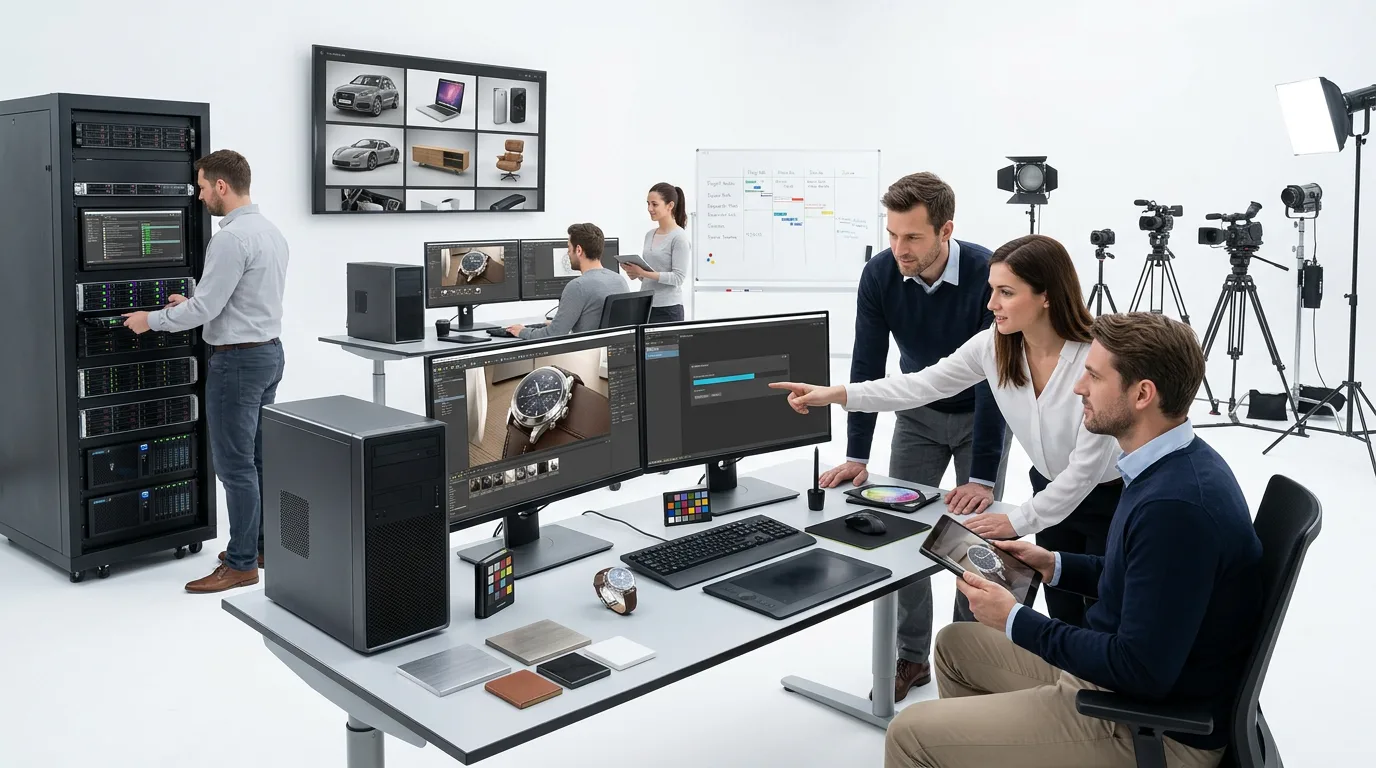
Working with a 3D product rendering studio is a collaboration. The more clearly you can communicate what you want, the faster and better the results will be. Here are some practical ways to set yourself up for success.
- Provide high-quality reference materials. CAD files are ideal. If you don’t have them, detailed technical drawings and high-resolution photos from multiple angles are the next best thing. Vague references lead to vague outputs.
- Create a mood board. Collect images — from competitors, lifestyle photography you admire, color palettes that feel right — and share them with the studio before modeling begins. This aligns aesthetic expectations early.
- Be specific about end use. A render destined for a billboard needs to be produced at a much higher resolution than one going on a website product page. Tell your studio where images will be used so they can optimize accordingly.
- Consolidate feedback. Round one feedback that has ten changes from one stakeholder is much easier to address than feedback from five different people delivered in separate emails over a week. Designate a single point of contact on your side.
- Ask for raw files. When a project wraps, ask for the native 3D files. If your needs change — new colorway, updated packaging, different surface material — you won’t have to start from scratch next time. That saves money and time.
A Real-World Example
Consider a consumer goods brand launching a new line of insulated water bottles. They’re six months from production, so there are no physical samples. They provide the studio with engineering CAD files, a color spec sheet, and a mood board showing the lifestyle direction — think hiking trails, morning routines, clean aesthetic. The studio builds the 3D model in week one, presents material options in week two, delivers initial hero renders in week three, and rounds out the project with lifestyle scene renders by week four. The brand launches its pre-order campaign with a full suite of product imagery — all before the factory has shipped a single unit.
That’s the practical value of understanding what is a 3D product rendering studio and how do they deliver results. It compresses timelines, reduces dependency on physical samples, and gives marketing teams ammunition they can actually use.
Industries That Benefit Most From 3D Rendering Studios
While practically any product can benefit from professional rendering, certain industries have adopted it more aggressively — and for good reason.
Furniture and interior design brands were early adopters. The cost of photographing every furniture piece in every available finish and fabric configuration is prohibitive. Rendering solves the configurability problem completely. For studios that work specifically in this vertical, 3D furniture rendering services have become essential to how top brands go to market.
Consumer electronics is another obvious fit. Products in this space have highly engineered surfaces — brushed aluminum, tempered glass, precision molding — that render beautifully when handled by skilled artists. The technical detail that renders can capture matches what photographers spend enormous effort trying to achieve in studio.
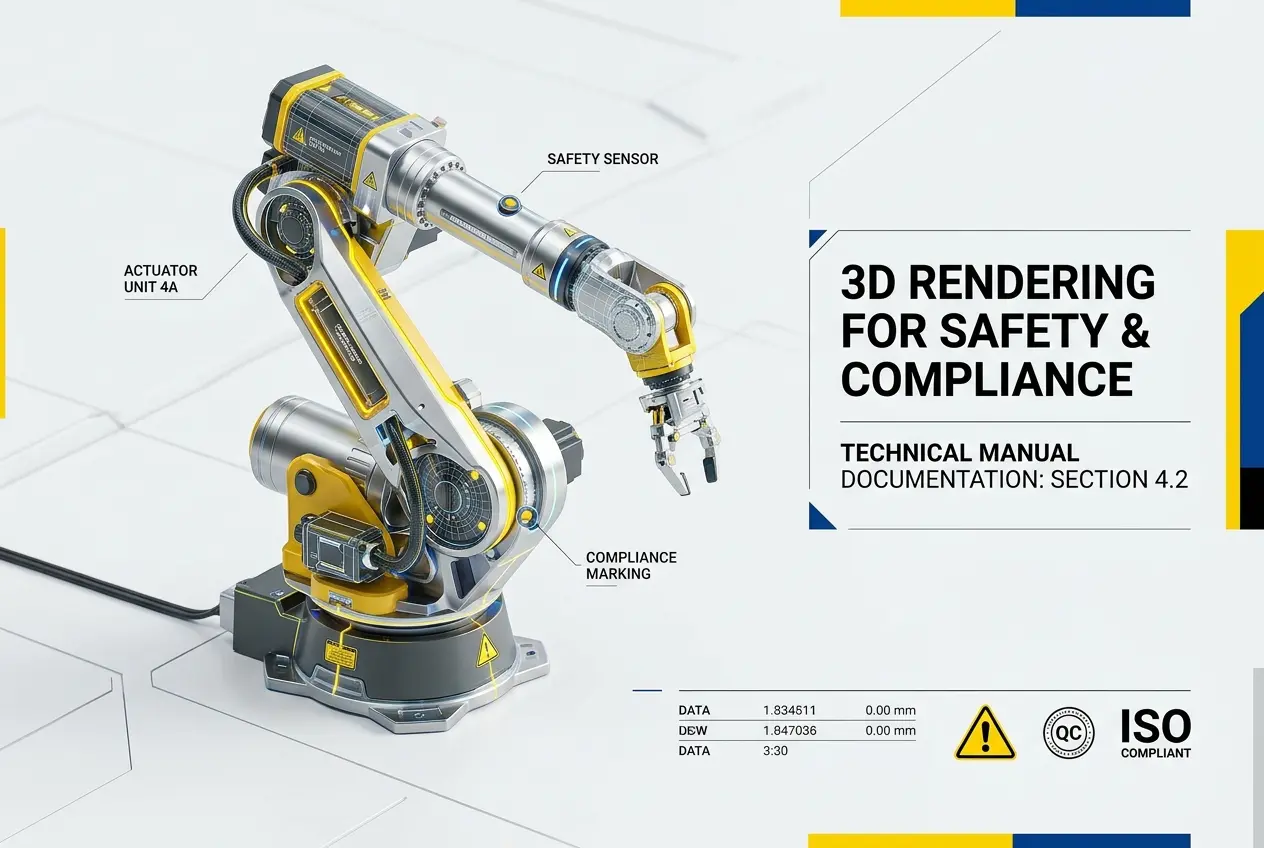
Automotive and industrial equipment manufacturers use rendering extensively for both marketing and engineering validation. The same 3D model that gets rendered for a brochure might also be used in simulations to test component fit before manufacturing begins.
E-commerce brands across every category are increasingly using rendering to compete at scale. When you’re managing a catalog of 500 SKUs and each product comes in eight colors, shooting every combination isn’t economically viable. Rendering is.
Conclusion: Finding the Right Studio for Your Brand
Understanding what is a 3D product rendering studio and how do they deliver results is the first step to making a smart decision about your visual content strategy. The studios that consistently produce excellent work share a few things in common: a rigorous process, technically skilled artists, strong communication habits, and a genuine interest in understanding your product and brand before they start building.
If you’re exploring whether 3D rendering is the right fit for your next product launch, campaign, or catalog build, the best next step is a conversation with a team that does this every day. At 360render.com, we’ve worked across dozens of industries and product categories, and we’d love to talk through what your project actually needs. Get in touch with our team and let’s figure out the right approach together.
Frequently Asked Questions
What exactly does a 3D product rendering studio do for businesses?
A 3D product rendering studio creates photorealistic digital images of products using specialized software, eliminating the need for physical prototypes or traditional photography. They work with CAD files, sketches, or reference images to produce visuals for marketing, e-commerce, packaging, and advertising. Studios typically offer services including still renders, 360-degree spins, animations, and lifestyle scene compositions tailored to a brand's specific needs.
How does a 3D product rendering studio deliver final results to clients?
Most 3D rendering studios follow a structured workflow that includes an initial briefing, concept development, modeling, texturing, lighting, and final rendering before delivering assets. Clients typically receive draft renders for feedback at key milestones, with revisions incorporated before the final high-resolution files are exported. Final deliverables are usually provided in formats like PNG, JPEG, or TIFF at print or web-ready resolutions, often through secure cloud-sharing platforms.
How long does it take a 3D product rendering studio to complete a project?
Turnaround time depends on the complexity of the product, the number of images required, and the level of detail needed, but simple renders can be completed in 2 to 5 business days. More complex projects involving intricate products, custom lifestyle environments, or animations may take 1 to 3 weeks or longer. Most studios offer rush delivery options at an additional cost for clients with tight deadlines.
Why should a company hire a 3D product rendering studio instead of using traditional product photography?
3D product rendering offers greater flexibility and cost efficiency compared to traditional photography, especially for products that are still in development or require multiple color and configuration variations. There are no logistics costs associated with shipping prototypes, renting studios, or hiring photographers, making it ideal for startups and global brands alike. Renders can also be reused and updated easily, providing long-term value as products evolve or campaigns change.
What information does a 3D product rendering studio need to get started on a project?
To begin a project, studios typically require product files such as CAD models, technical drawings, or high-quality reference photos, along with brand guidelines including colors, materials, and finishes. Clients should also provide a creative brief outlining the intended use of the renders, preferred angles, background styles, and any lifestyle scene requirements. The more detailed the brief, the more accurately the studio can match the client's vision and reduce the number of revision rounds needed.
Also read: Render 360: What It Means and Why Brands Are Using It for Product Marketing