If you’ve been searching for clear, honest information about House Interior Rendering Cost – Updated 2026 | 360 Render, you’re not alone. It’s one of the most common questions we get from architects, interior designers, real estate developers, and homeowners who want to visualize a space before committing to a full renovation or build. The frustrating reality is that pricing varies wildly depending on who you ask — and a lot of the information online is outdated or vague. So let’s cut through the noise and give you a real, practical breakdown of what interior rendering actually costs in 2026.
3D interior rendering has become an essential tool for anyone working in construction, design, or real estate. Whether you’re trying to sell a property off-plan, present a concept to a client, or simply figure out how your living room will look with new furniture and finishes, photorealistic renders save time, money, and a whole lot of guesswork. But the cost question always comes up — and it should. Budget matters. Understanding what you’re paying for, and why prices differ so much between providers, is key to making a smart decision.
In this post, we’ll walk through the main factors that influence pricing, give you realistic ballpark figures for different types of projects, and help you figure out what kind of service level actually fits your needs. By the end, you’ll have enough information to have an intelligent conversation with any rendering studio — including us.
House Interior Rendering Cost – Updated 2026 | 360 Render: The Full Price Breakdown
Let’s start with numbers. Interior rendering prices in 2026 generally fall into a few tiers depending on complexity, turnaround time, and the level of photorealism you need.
- Basic / Entry-Level Interior Renders: $150 – $400 per image. These are simpler compositions with standard furniture placement and basic lighting. Good for concept presentations but not always suitable for marketing materials.
- Mid-Range Interior Renders: $400 – $900 per image. This is the sweet spot for most residential projects. You get accurate materials, realistic lighting, custom furniture, and a high level of detail that works well for client presentations, real estate listings, and design approvals.
- High-End / Luxury Interior Renders: $900 – $2,500+ per image. These are fully custom, magazine-quality images with complex lighting setups, bespoke furniture modeling, atmospheric effects, and meticulous attention to textures and shadows. Think penthouse apartments, luxury show homes, and premium design portfolios.
Keep in mind these are per-image prices. Most projects require multiple angles — a living room from three perspectives, a kitchen from two, a master bedroom from one. Packages that bundle several images typically offer a better per-image rate than commissioning shots individually. If you’re planning a full home visualization, you could be looking at anywhere from $2,000 to $15,000+ depending on scope, detail level, and how many rooms are involved.
What Factors Drive the Price Up (or Down)?
Understanding what goes into the cost helps you make smarter choices. You might not need every bell and whistle — or you might realize a specific feature is absolutely worth paying for. Here are the main variables that affect what you’ll pay.
Room Complexity and Square Footage
A small, simply furnished bedroom is much faster to model and render than an open-plan kitchen-dining-living area with custom cabinetry, integrated appliances, and a double-height ceiling. The more complex the geometry, the more modeling hours are involved. Large rooms with many architectural details — coffered ceilings, built-in joinery, curved walls, specialty lighting fixtures — take significantly longer to build in 3D. That time translates directly into cost.
Level of Photorealism Required
Not all renders need to be indistinguishable from a photograph. For early-stage concept approvals, a clean, well-lit render with accurate proportions might be perfectly sufficient. But if you’re using images in a marketing campaign for a luxury development, you’ll want the kind of quality that makes people stop scrolling. Higher realism means more detailed textures, more complex lighting simulations (think global illumination, caustics, accurate bounce light), and more post-processing work in software like Photoshop or Lightroom.
Custom Furniture and Asset Modeling
Many studios work from existing 3D asset libraries — and there’s nothing wrong with that. A well-curated library can produce excellent results efficiently. But if your project features custom-designed furniture, unique architectural elements, or specific branded products that don’t exist in any library, those assets need to be modeled from scratch. That adds time and, therefore, cost. If you’re working with a bespoke interior designer who has created custom pieces, factor this in.
Turnaround Time
Standard turnaround for a mid-range interior render is typically five to ten business days. If you need something in 48 hours, most studios offer a rush service — usually at a 30–50% premium. Plan ahead when you can. It saves money and, honestly, it gives the artists more time to get the details right.
Number of Revision Rounds
Most pricing packages include one or two rounds of revisions. If you change your mind about furniture placement, color schemes, or camera angles mid-project, additional revision rounds cost extra. This is another reason why a solid brief upfront — knowing exactly what you want before work begins — will protect your budget.
Residential vs. Commercial Interior Rendering: Does It Cost More?
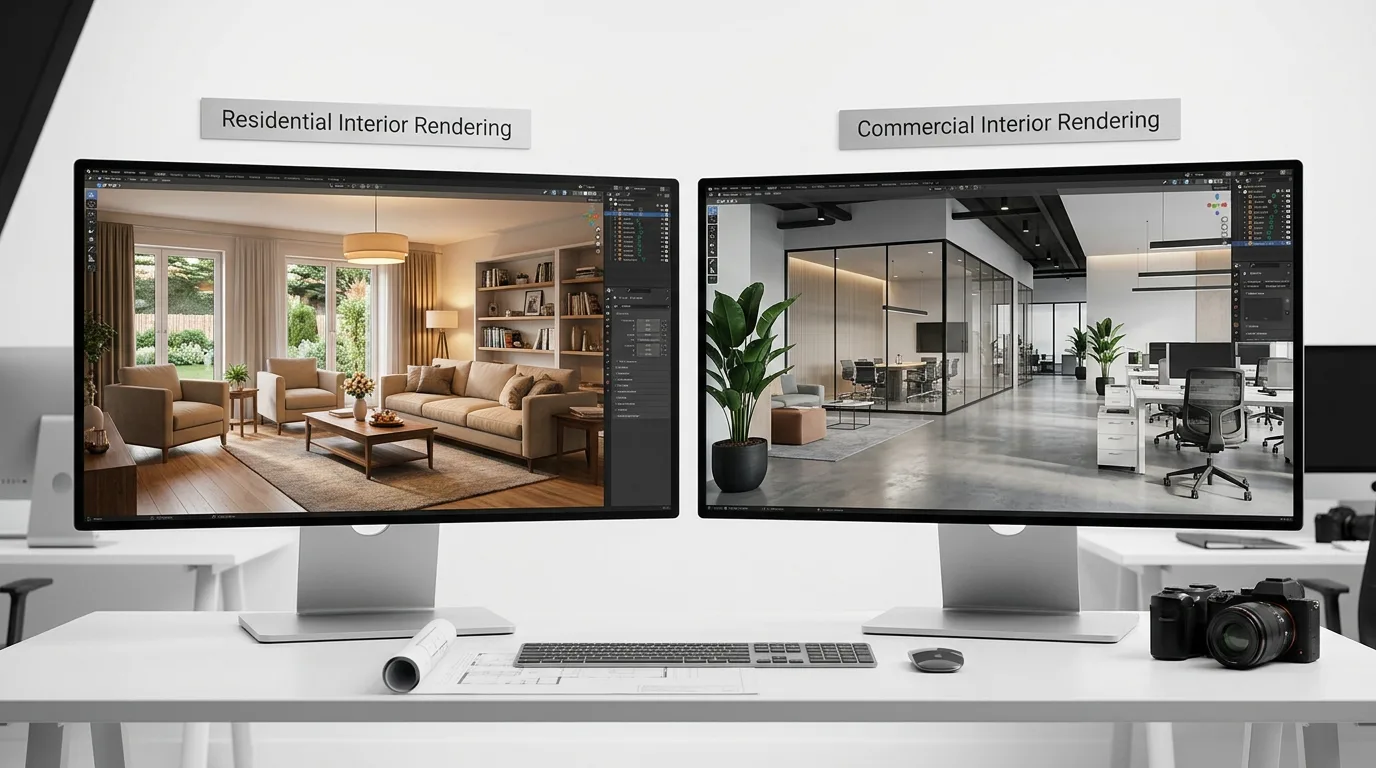
Generally speaking, yes — commercial interior renders tend to cost more than residential ones. Office spaces, retail environments, hotel lobbies, and restaurants often have more complex spatial arrangements, custom branding elements, and a higher density of objects to model and texture. That said, a large luxury home can absolutely rival a commercial project in complexity and cost. It really comes down to what’s inside the space rather than how it’s classified.
For architectural rendering projects that combine interior and exterior visualization — showing both the inside of a home and its surrounding landscape or facade — pricing is typically structured as a package, and you can often negotiate a better rate than commissioning interior and exterior renders separately.
DIY Rendering vs. Hiring a Professional Studio
With tools like SketchUp, Lumion, and even AI-assisted platforms becoming more accessible, some designers and architects attempt to produce interior renders in-house. For quick internal reviews, that can work fine. But for anything client-facing or marketing-related, there’s usually a visible difference between a self-produced render and one made by a specialist team.
Professional studios have years of experience with lighting, composition, material accuracy, and post-production. They know how to make a space feel warm and inviting, or clean and modern, or luxurious — not just technically accurate, but emotionally compelling. That’s harder to learn than it looks. If your renders are being used to sell properties or win clients, the ROI on professional quality is significant. A property that markets faster or a client who signs off immediately because they can clearly visualize the outcome — that pays for the rendering fee many times over.
For those working on real estate projects specifically, real estate rendering services are tailored to help developers and agents market properties more effectively, often bundling interior renders with exterior shots and even virtual tours for a more complete package.
How to Get the Best Value From Your Interior Rendering Budget
Here are some practical tips to make sure you’re spending wisely, whether you’re a first-time buyer of rendering services or you’ve been through the process before.
Provide a Detailed Brief
The clearer your instructions, the smoother the process. Share floor plans, mood boards, material specifications, furniture references, and specific camera angles you want captured. The more a studio knows upfront, the less back-and-forth there will be — and the fewer revision rounds you’ll need.
Bundle Multiple Rooms
If you need renders of several spaces, ask about project packages. Most studios, including us at 360 Render, offer discounted rates when you commission multiple images together. It makes economic sense on both sides.
Prioritize Your Key Views
You don’t always need renders of every single space. Think about which rooms or angles are most important for your decision-making or marketing purposes. A living room, kitchen, and master bedroom might be all you need. Being selective keeps costs manageable without compromising impact.
Ask About Staged Deliveries
Some studios offer a phased approach — starting with lower-resolution drafts to confirm composition and layout before moving to final high-resolution renders. This helps catch issues early and avoids expensive late-stage revisions.
Consider 360-Degree Virtual Tours
If your project involves selling or marketing a space, a 360 virtual tour can provide more value than a set of static images for a similar investment. Potential buyers or tenants can explore the space interactively, which creates a stronger emotional connection and often leads to faster decisions.
Is Interior Rendering Worth the Investment in 2026?
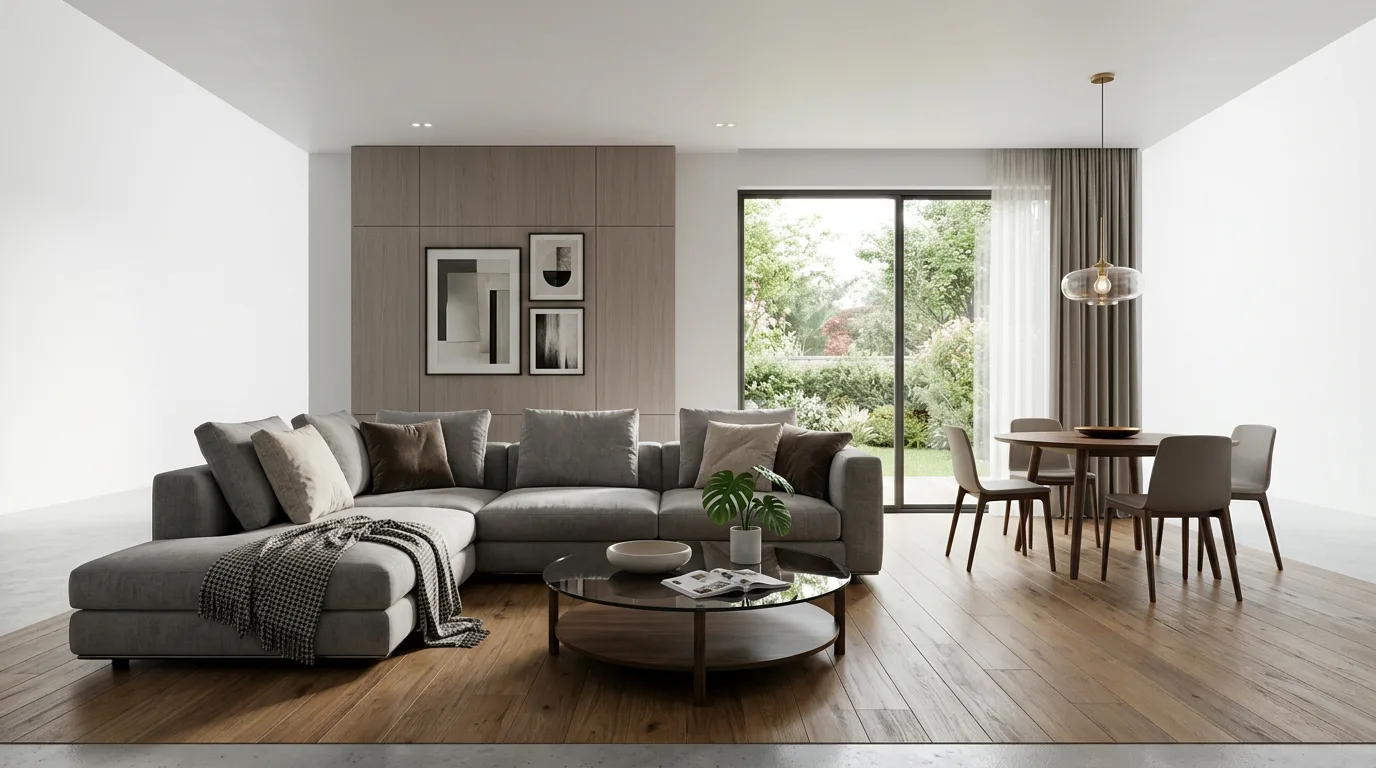
Short answer: yes, consistently. The longer answer depends on your specific situation. If you’re a developer selling off-plan, high-quality interior renders are practically non-negotiable — buyers need to visualize what they’re committing to before the building exists. If you’re an interior designer pitching a concept, renders help clients understand and approve designs faster, reducing the time you spend explaining and the risk of misaligned expectations. If you’re a homeowner planning a renovation, seeing the finished result before you spend on contractors can prevent costly mistakes.
The House Interior Rendering Cost – Updated 2026 | 360 Render breakdown we’ve laid out here is a realistic guide, not a fixed price list — every project is different. But now you have a solid framework for understanding what drives costs, what to expect at different price points, and how to get the most from your investment.
Ready to Get a Quote for Your Interior Rendering Project?
At 360 Render, we work with architects, interior designers, developers, and homeowners across the globe to produce interior renders that are accurate, atmospheric, and genuinely useful — not just pretty pictures. We tailor every project to the client’s brief, timeline, and budget, and we’re transparent about pricing from the start.
If you’re ready to talk through your project, or you just want to understand what’s possible within your budget, we’d love to hear from you. Get in touch with our team today and let’s start turning your vision into something you can see.
Frequently Asked Questions
How much does house interior rendering cost in 2026?
House interior rendering costs in 2026 typically range from $150 to $1,500 per image, depending on the complexity of the space, level of detail, and the studio or freelancer you choose. High-end photorealistic renders for luxury interiors or large open-plan spaces can exceed $2,000 per image. At 360 Render, pricing is tailored to your project scope, ensuring you get the best value for your budget.
What factors affect the cost of interior 3D rendering?
The main factors that influence interior rendering costs include the size and complexity of the room, the level of photorealism required, the number of revisions, and the turnaround time. Additional elements like custom furniture modeling, intricate lighting setups, and high-resolution output can also increase the price. Understanding these variables helps homeowners and designers plan their budgets more accurately before commissioning a render.
Is hiring a professional interior rendering service worth the cost?
Yes, professional interior rendering is a worthwhile investment because it allows homeowners, architects, and designers to visualize a space before any construction or renovation begins, saving money on costly design mistakes. High-quality renders also improve client presentations, making it easier to secure project approvals and communicate design intent clearly. The upfront cost is often offset by the time and resources saved during the actual build or redesign process.
How long does it take to complete a house interior rendering project?
A standard interior rendering project typically takes between 3 to 7 business days, depending on the complexity of the design and the number of images requested. Rush delivery options are often available at an additional cost, with some studios offering 24 to 48-hour turnarounds for simpler projects. At 360 Render, project timelines are discussed upfront so clients can plan their schedules accordingly.
What is the difference between interior rendering packages for residential vs. commercial projects?
Residential interior rendering packages are generally priced lower and focus on spaces like living rooms, kitchens, and bedrooms, while commercial projects involve larger, more complex environments such as offices, hotels, or retail spaces that require more detailed modeling and lighting work. Commercial renders often demand stricter accuracy to technical drawings and brand guidelines, which increases both time and cost. Choosing the right package for your project type ensures you receive renders that meet industry-specific standards without overpaying for unnecessary features.
Also read: 3D Rendering Cost Breakdown: What Affects Price and How to Budget for Your Project in 2026