Building a new home, renovating an existing property, or pitching a residential development is an incredibly exciting journey. However, looking at 2D blueprints and trying to imagine the final result can be frustrating. Not everyone has the trained eye of an architect, which is why 3D rendering has become an absolute game-changer in the real estate and design industries. By turning flat plans into stunning, photorealistic images, you can see exactly what your house will look like before a single brick is laid.
But if you are considering this service, you probably have one major question on your mind: How much does a 3D rendering of a house actually cost? It is a fair question, but unfortunately, there is no one-size-fits-all answer. The price of an architectural visualization can vary wildly based on a variety of factors, from the complexity of the design to the level of realism you need.
Whether you are a homeowner wanting to visualize your dream kitchen, or a real estate developer looking to pre-sell properties, understanding the pricing structure of 3D rendering is crucial. Let’s dive into the details, break down the costs, and explore how you can get the best value for your investment.
The Average Cost of a House 3D Rendering
To give you a straight answer right out of the gate, the cost of a standard 3D rendering for a house typically ranges from $300 to $1,500+ per image. However, this is a broad spectrum. To make it easier to digest, let’s break these costs down into three general pricing tiers:
- Low-End ($100 – $300 per image): Usually offered by freelancers or overseas platforms. While tempting, these renders often lack photorealism, use generic stock furniture, and may have lighting inconsistencies. They are okay for basic conceptualization but rarely cut it for high-end marketing.
- Mid-Range ($300 – $800 per image): This is the sweet spot for most homeowners, interior designers, and boutique builders. At this price point, professional 3D architectural rendering services provide high-quality, photorealistic images with accurate lighting, custom textures, and great attention to detail.
- High-End ($800 – $2,500+ per image): Reserved for luxury real estate, large-scale developer pitches, and top-tier architectural firms. These renders are virtually indistinguishable from real photographs. They often include complex landscaping, custom-modeled surroundings, and perfect atmospheric lighting.
Factors That Influence the Price of 3D Rendering
You might be wondering why there is such a massive gap between a $300 render and a $1,500 render. The truth is, 3D rendering is a highly technical and artistic process. Here are the main factors that dictate the final quote you will receive.
1. Type of Rendering Needed
Different parts of a house require different levels of work. For example, residential exterior rendering involves creating the facade, roofing, landscaping, and neighborhood context. On the other hand, residential interior rendering requires meticulous work on lighting, textures (like wood grain or marble), and interior decor. If your interior requires highly specific, custom-built furniture rather than standard library assets, you might also need 3D furniture rendering services, which can add to the cost.
2. Level of Detail and Realism
Creating a basic 3D model is relatively fast. Making it look like a real photograph is what takes time. Photorealism requires the 3D artist to calculate complex lighting bounces, add imperfections (like subtle reflections on a window or shadows from a nearby tree), and use ultra-high-resolution textures. The more realistic you want the image to be, the more hours the artist must spend, which naturally increases the price.
3. Number of Views and Angles
The heaviest lifting in the 3D rendering process is building the initial 3D model. Once the model of your house is built, generating the first image is the most expensive part. If you want a second or third angle of the same room or exterior, those additional images will usually cost significantly less because the foundational work is already done.
4. Still Images vs. Animations and Virtual Tours
A static image is just the beginning. If you want to truly immerse your clients or buyers in a space, you might opt for 360 virtual tours and panoramas or full video fly-throughs. Because these require rendering hundreds or thousands of individual frames, they are considerably more expensive than still images, often starting in the thousands of dollars.
Is a 3D Render Worth the Investment?
When you are already spending hundreds of thousands (or millions) of dollars on a build, paying a few hundred dollars for a render might seem like an extra expense. But in reality, it is a money-saving tool.
Imagine realizing that your kitchen cabinets clash with your flooring after they have been installed. Fixing that mistake in real life costs thousands. Fixing it in a 3D render before construction begins costs almost nothing. Furthermore, for developers, high-quality renders allow you to market and pre-sell properties months before construction is finished. The return on investment (ROI) is massive.
Practical Tips to Save Money and Get the Best Value
If you want to keep your 3D rendering costs manageable without sacrificing quality, here are a few actionable tips and examples:
- Have Your Files Ready: 3D artists work best when they have clear instructions. Provide comprehensive CAD files, architectural blueprints, mood boards, and material schedules upfront. If the artist has to guess your design or build from a rough napkin sketch, they will charge for the extra design time.
- Bundle Your Services: If you know you need interior shots, exterior shots, and a 3D floor plan visualization, order them all at once. Agencies are much more likely to give you a package discount if you bundle multiple services together.
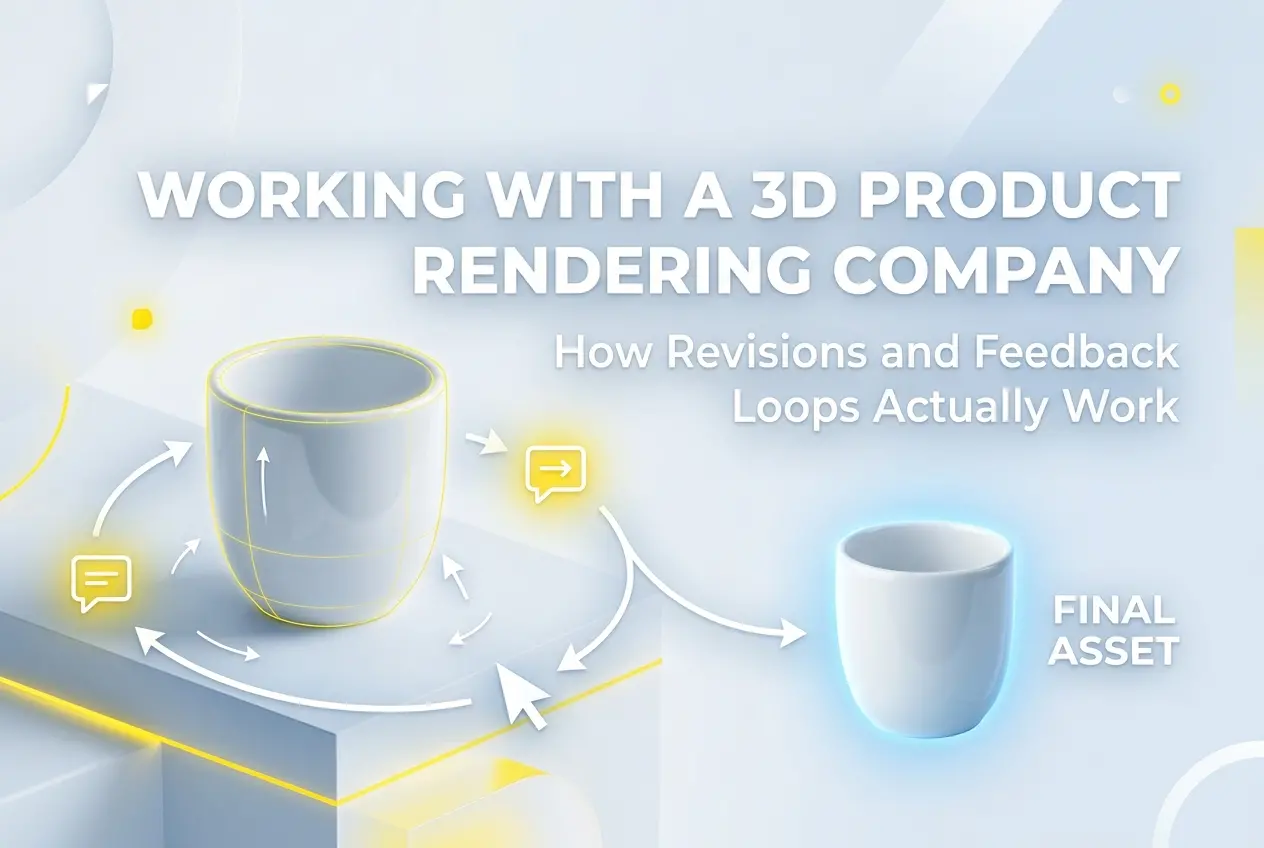
- Limit Your Revisions: Most reputable agencies include one or two rounds of revisions in their base price. (You can usually find details about this in their FAQs). To avoid extra hourly charges, consolidate all your feedback into one comprehensive list rather than sending multiple emails with tiny tweaks.
- Use Standard Assets When Possible: Unless you are a furniture designer, you probably don’t need a 3D model of a highly specific, one-of-a-kind sofa. Allowing your rendering agency to use high-quality, pre-made furniture from their library for staging will save you a lot of money compared to custom modeling.
Example Scenario: Let’s say you are building a modern duplex. Instead of paying $600 for a front view and another $600 for a back view, ask the agency for a package deal. Because they only have to build the house model once, they might charge you $600 for the first view and only $300 for the second, bringing your total to $900 instead of $1,200.
Conclusion
So, how much does a 3D rendering of a house cost? It ultimately depends on your specific needs, the complexity of your design, and the level of photorealism you desire. While you can find cheap options out there, investing in a mid-range to high-end professional render pays off by preventing costly construction mistakes and elevating your property’s market value.
Whether you are working on a cozy residential interior or a massive commercial exterior rendering project, working with an experienced team ensures your vision is brought to life flawlessly.
Ready to see your dream home or next big development project before it’s built? Contact us for 3D rendering services today. Our team at 360 Render is here to provide you with a custom quote and guide you through a seamless, high-quality rendering process.