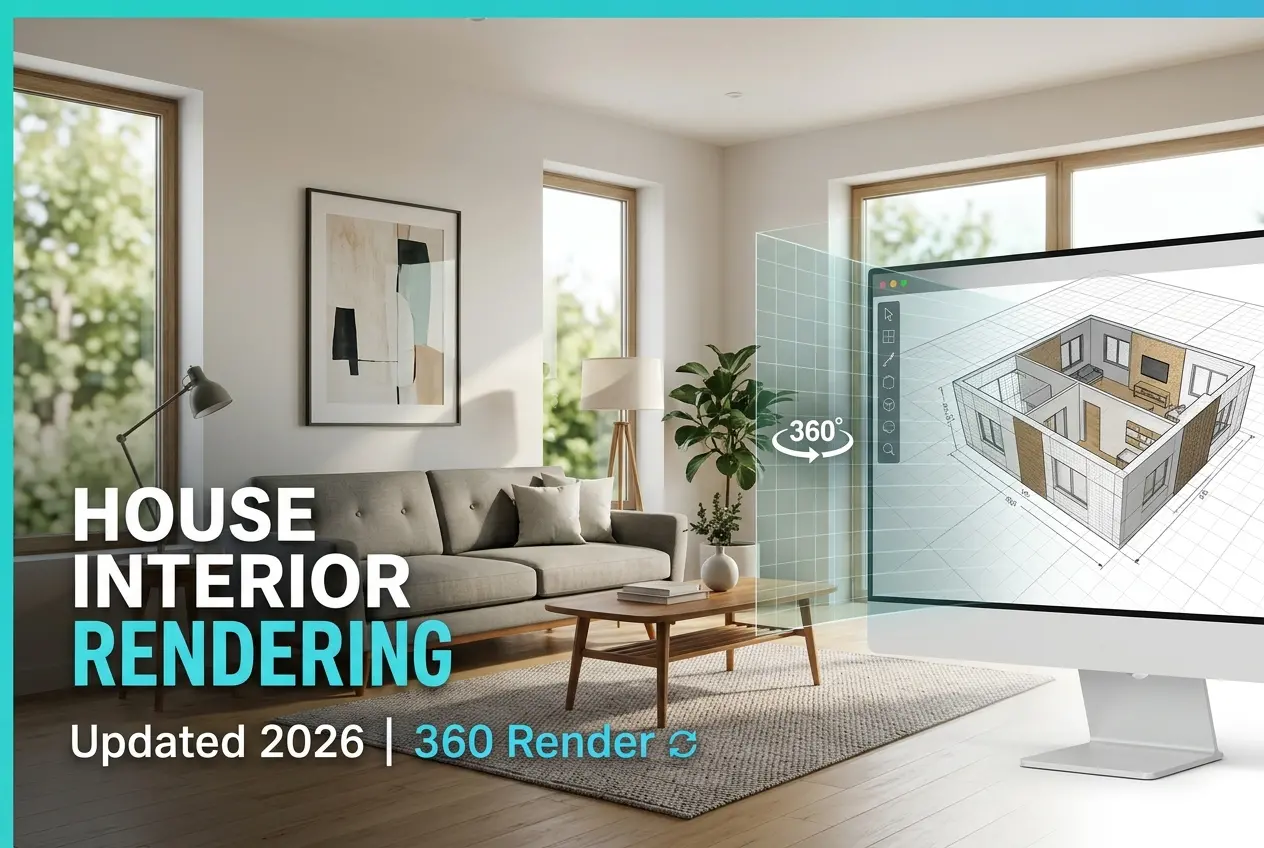
If you’re searching for House Interior Rendering Cost – Updated 2026 | 360 Render, you probably want a number. Here’s the honest answer: it depends on a handful of variables that move the price far more than most clients expect. Room count matters, but it’s rarely the biggest factor. Modeling detail, furniture sourcing, camera count, and revision rounds usually decide the final quote.
In this post we’ll walk through how a studio actually prices interior work, what drives cost up, where you can save without hurting quality, and what clients tend to get wrong when they brief us. No inflated promises, and no made-up averages. Just how the work happens on our side of the screen.
What You’re Actually Paying For in an Interior Render
A still image looks simple. Behind it is a chain of tasks, and each one takes artist time. When we quote a house interior, we’re pricing these stages:
- Scene setup and modeling: Building walls, ceilings, joinery, built-in wardrobes, stairs, windows, and architectural details from your plans or CAD files.
- Furniture and decor: Modeling custom pieces or sourcing and adjusting library assets to match your selections.
- Materials and texturing: Wood grain direction, stone veining, fabric weave, and how glossy a surface should look under light.
- Lighting: Daylight, artificial fixtures, cove lighting, and the mood each camera needs.
- Rendering and post-production: Render time, color grading, and final cleanup.
- Revisions: Changes after the first draft, which are a normal part of any project.
Cost follows the time and skill across those stages. A plain, minimal living room with a few well-chosen pieces takes less effort than a double-height lounge with custom paneling, layered lighting, and forty decorative objects.
The Main Factors That Move the Price
1. Number of images and camera angles
Pricing is usually per image, not per room. A bedroom might need two angles, one toward the bed and one toward the wardrobe. Each additional angle reuses the same scene, so it’s typically cheaper than the first. But it still needs its own lighting check, composition, and cleanup.
2. Complexity of the design
Curved walls, fluted panels, bespoke joinery, and layered ceilings all add modeling hours. A clean contemporary apartment is quicker than a classical house with moldings on every wall. Neither is better, but they don’t cost the same.
3. Quality and detail of your references
This one is underrated. If you send a dimensioned plan, elevations, material swatches, and furniture links, the artist can build confidently. If you send a hand sketch and say “make it look nice,” we spend time interpreting, and that time shows up in the quote or in extra revision rounds.
4. Output type
A single still, a set of stills, a 360 panorama, a walkthrough animation, and a real-time VR scene are different products. Animation multiplies render time because every frame must be calculated. Panoramas need a full-room build with no hidden corners, since the viewer can look anywhere.
5. Turnaround
Rush timelines mean reshuffling schedules or adding artists. Expect a premium for tight deadlines. Planning ahead is the cheapest upgrade you can make.
Typical Pricing Structure in 2026
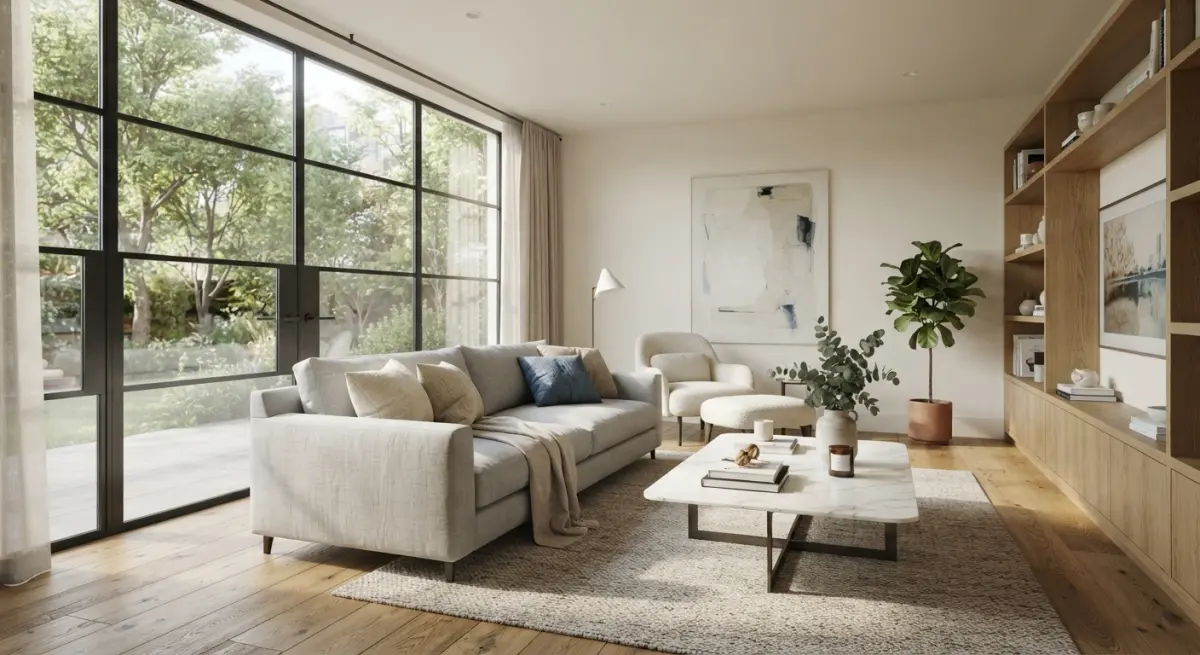
Rather than quote figures that go stale, here’s how the tiers generally compare. Actual quotes depend on your brief, but the logic holds across most studios, including ours.
| Project type | Typical scope | Relative cost |
|---|---|---|
| Single room, one view | Simple layout, standard furniture | Lowest entry point |
| Single room, multiple views | Same scene, added cameras | Lower per-image cost after the first |
| Full apartment or house set | Living, kitchen, bedrooms, bathrooms | Mid-range, scales with image count |
| High-detail luxury interior | Custom joinery, complex lighting, styled decor | Higher, driven by modeling hours |
| 360 panoramas or VR | Full-room build, no shortcuts | Above standard stills |
| Walkthrough animation | Camera path through multiple rooms | Highest, due to render and editing time |
Be careful with any provider quoting a flat price before seeing your drawings. A very low number usually means a template scene, limited revisions, or generic assets that won’t match your actual design.
Understanding House Interior Rendering Cost in Practice
When people compare quotes, they often miss that the same line item can mean different things. “One interior render” from one studio might be a quick, low-resolution view with stock furniture. From another, it’s a custom-modeled scene with matched materials at print resolution. The difference in price reflects the difference in what you receive, so always ask what’s included.
Here are the questions we’d suggest asking any studio before you commit:
- How many revision rounds are included, and what counts as a revision versus a scope change?
- Is furniture modeled to my specification, or picked from a library?
- What resolution is delivered, and is it suitable for print?
- Are additional camera angles priced separately?
- Who owns the source files?
What Clients Get Wrong (and What Actually Works)
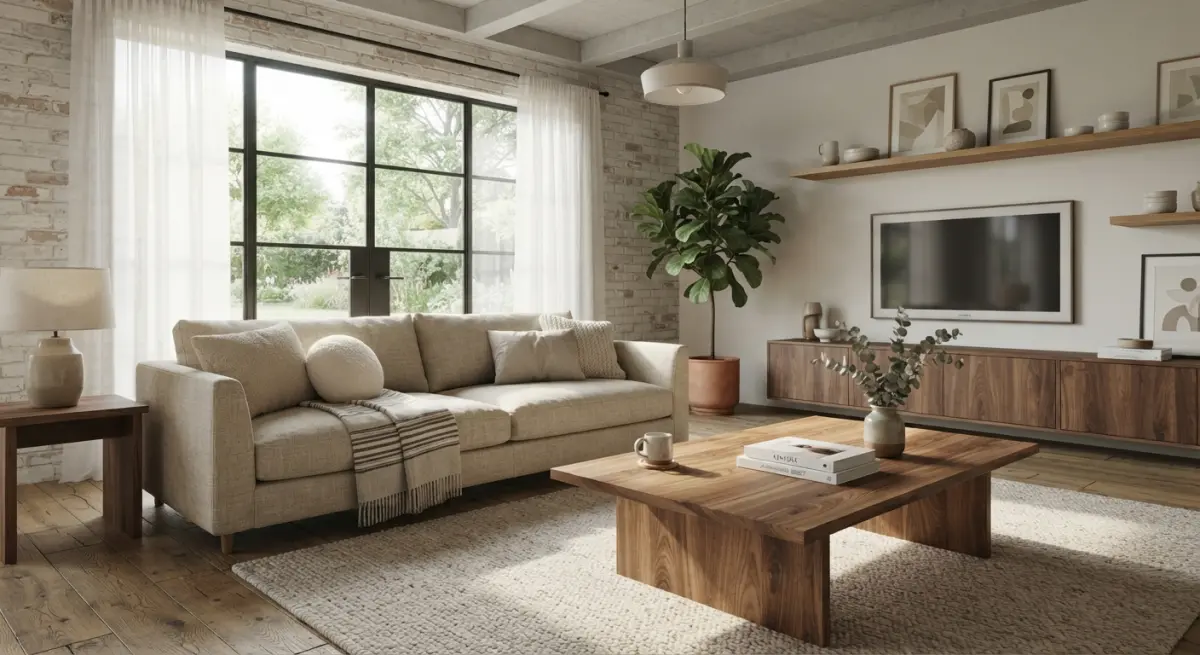
After enough projects, patterns show up. These are the ones we see most.
Changing the design mid-project. Swapping the flooring after lighting is finished is not a small tweak. Materials interact with light, so a darker floor changes bounce, shadows, and the whole mood. Lock your finishes before we start and revision costs drop sharply.
Treating rendering as an afterthought. Some clients send final drawings the day before a presentation. Rendering works best when it’s part of the design process. Early renders catch problems, like a pendant that’s too low or a color scheme that feels heavy, while changes are still cheap.
Over-ordering angles. Ten views of one room rarely sell the design better than three strong ones. Pick the compositions that show the key idea: the hero view, the functional view, and a detail.
Ignoring the lighting brief. Morning light and evening light produce very different images. Tell us what time of day and what mood you want. A warm evening scene with layered lamps costs about the same as a daylight scene, but it needs to be decided upfront, not after the first draft.
Choosing purely on price. A cheap render that fails to convince your client costs more in lost trust than a properly built one costs upfront. Check portfolios for realistic lighting, believable materials, and clean edges where surfaces meet.
Ways to Keep Costs Sensible Without Cutting Quality
- Send complete files. CAD plans, elevations, material references, and furniture links save hours.
- Consolidate your feedback. One organized list of changes is better than five scattered emails.
- Bundle rooms. Rooms that share materials and lighting setups are more efficient to produce together.
- Prioritize hero spaces. Put your budget into the living room and kitchen, and keep secondary rooms simpler.
- Decide the output early. Converting stills into a walkthrough later is possible, but planning for it from the start is cleaner.
Is Professional Rendering Worth It for a House Interior?
For homeowners, a render lets you see paint, tile, and layout choices before anything is built, which is far cheaper than fixing a mistake on site. For designers and developers, it’s a sales tool that helps clients say yes faster. If the visuals will influence a purchase or a large spend, the rendering fee is small by comparison.
Get an Accurate Quote for Your Project
The fastest way to a reliable number is to share your plans and references. Our team at 360 Render will scope the work, explain what drives the price, and tell you where you can simplify. Explore our contact page to send your drawings and get a clear, itemized quote for your house interior.
Frequently Asked Questions
How much does a house interior rendering cost in 2026?
In 2026, a single photorealistic house interior render typically costs between $50 and $300 per image, depending on room complexity, resolution, and the studio's experience. A full-house interior package with 6 to 10 views usually ranges from $400 to $2,000. Premium studios or highly detailed custom furniture modeling can push prices higher.
What factors affect the price of interior 3D rendering?
The main cost drivers are scene complexity, level of detail, custom furniture modeling, output resolution (such as 4K), and the number of revisions requested. Turnaround time also matters, as rush orders often carry a 25% to 50% surcharge. Whether you supply CAD files or sketches versus needing the studio to build the model from scratch can also change the final quote.
Is it cheaper to hire a freelancer or a rendering studio like 360 Render for interiors?
Freelancers often charge 20% to 40% less per image, but quality, consistency, and delivery time can vary widely. A professional studio like 360 Render generally offers standardized workflows, dedicated project management, and reliable deadlines, which is valuable for larger projects. The best choice depends on your budget, project scale, and how critical the visuals are for sales or client approval.
How long does it take to get a house interior rendering completed?
Most single-room interior renders are delivered within 2 to 5 business days after receiving complete project details. A full-house package may take 1 to 3 weeks depending on the number of views and revision rounds. Providing clear floor plans, material references, and furniture choices upfront helps speed up delivery and reduce extra costs.
Are revisions included in the interior rendering cost?
Most studios include one to two rounds of minor revisions, such as adjusting colors, materials, or lighting, within the base price. Major changes like altering the layout, camera angles, or furniture after approval are usually billed as extra. Always confirm the revision policy in your quote so you can avoid unexpected charges.