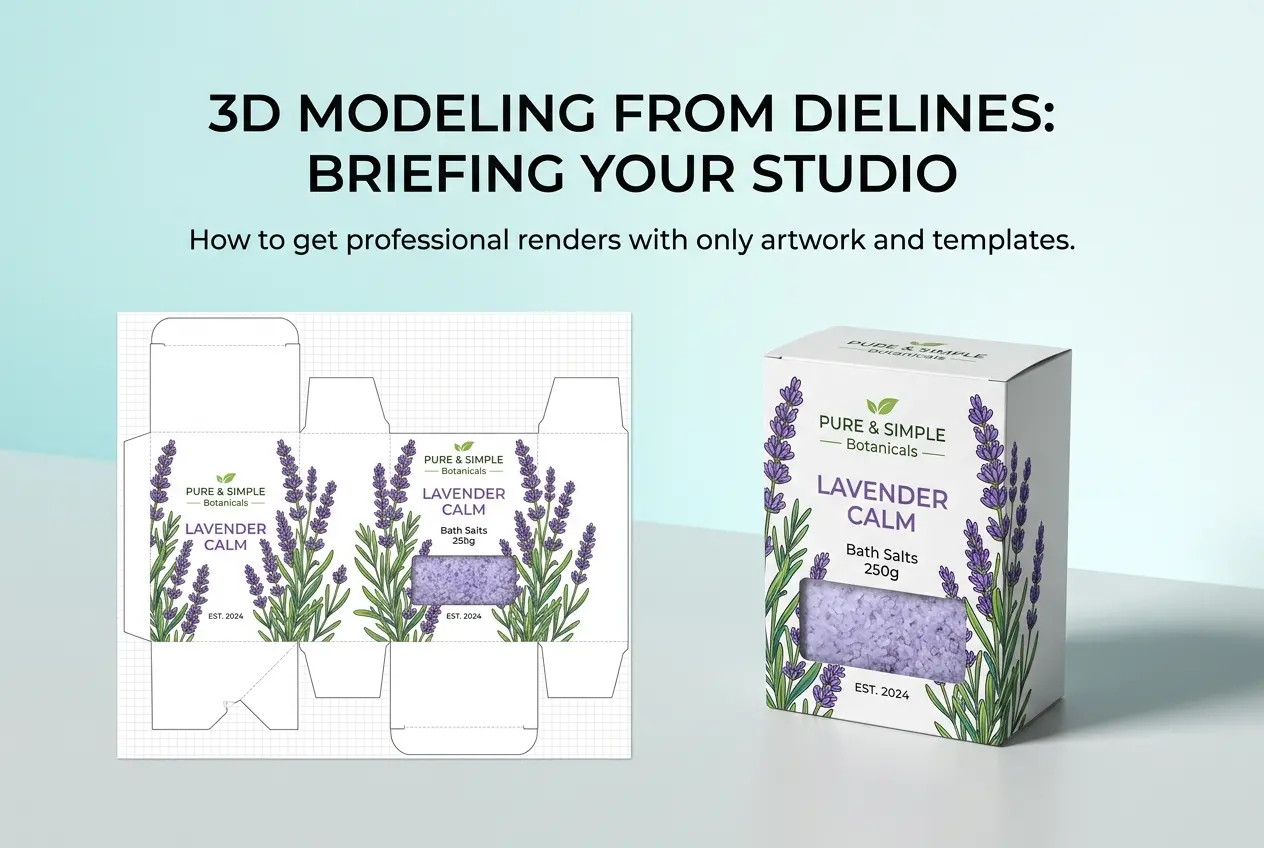
Choosing the wrong 3D rendering studio can cost you more than money — it can cost you launch timelines, client relationships, and product credibility. If you’re currently comparing 3D product rendering companies before signing a contract, you already know the stakes. Photorealistic visuals are often the first touchpoint a customer has with your product, especially in e-commerce and product development. Getting them right matters. But not every studio that shows a polished portfolio can actually deliver what you need, on your timeline, within your workflow. This guide covers the seven things you absolutely need to check — based on what we’ve seen go wrong when clients arrive at our studio having previously worked with someone else.
The rendering industry has grown quickly. That’s great for clients in some ways — more competition, more options, more price ranges. But it also means there are a lot of generalist studios, freelancers, and low-cost offshore vendors positioning themselves as specialists. The difference between a studio that truly understands product rendering and one that can technically produce a 3D image is enormous. One gives you assets you can use across marketing, retail, and social. The other gives you something that looks fine on a monitor but fails the moment it hits print or gets zoomed in on a product page.
So before you sign anything, here’s what to actually look at.
1. Their Portfolio Should Match Your Product Category
This sounds obvious, but it’s where most people make their first mistake. A studio can be genuinely excellent at architectural visualization and completely out of their depth with product rendering. The challenges are different. Product rendering requires tight control over material accuracy — the way plastic catches light differently than anodized aluminum, the way fabric softens reflections, the way glass interacts with a white background versus a lifestyle scene. These aren’t things you learn from rendering buildings.
When you’re reviewing a portfolio, look specifically for your product type. If you sell consumer electronics, look for renders of electronics. If you sell furniture, find a studio whose portfolio shows upholstery texture, wood grain accuracy, and hardware finishes done properly. If you sell cosmetics or personal care products, packaging rendering is its own technical discipline — label geometry, frosted glass, metallic caps all require specific material setups.
At our studio, we specialize in 3D product rendering services across categories including consumer goods, furniture, industrial equipment, and packaging. When a client asks if we can handle their product type, we can show them directly comparable work — not just “similar” work from a different category.
2. Ask About Their Modeling Process, Not Just the Output
Most clients focus entirely on the final render images. That’s understandable — the image is what you’re buying. But the quality of that image is almost entirely determined by what happens before rendering: the 3D modeling process. A poorly built model renders poorly. Every shortcut taken in geometry shows up as something wrong in the final image — unnatural light distribution, surface artifacts, incorrect proportions, edges that don’t behave like real materials.
Ask the studio a simple question: do they build models from scratch, or do they work from existing model libraries? Neither answer is wrong by default, but the answer tells you a lot. If they’re using a library model, ask if it can be customized to your exact specifications. If they build from scratch, ask whether they work from CAD files, technical drawings, reference photos, or some combination. A studio that can accurately model from your CAD data will produce something dimensionally accurate. A studio working only from photos will be approximating.
Also ask about revision rounds. Most contracts specify a number of revisions, but this gets murky when a revision request reveals a modeling error rather than a lighting or color adjustment. Make sure the contract distinguishes between revisions due to scope changes versus corrections for technical errors.
3. Understand What “Photorealistic” Actually Means to Them
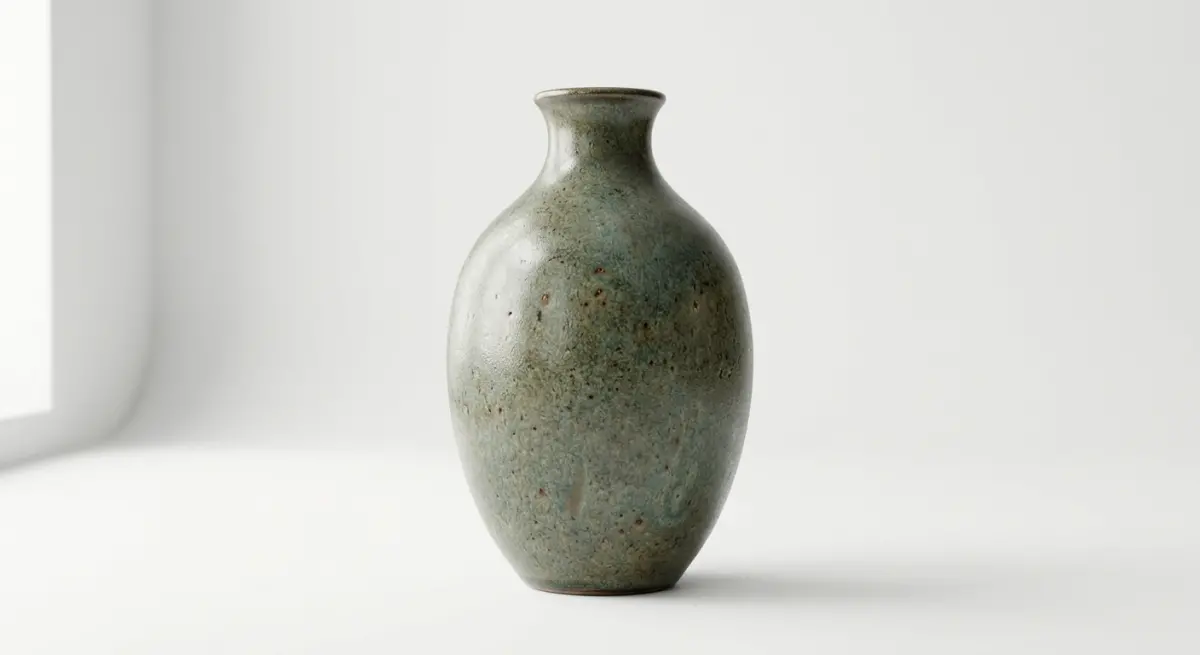
Every 3D product rendering company uses the word photorealistic. It’s one of those terms that has been used so broadly it’s almost meaningless without context. What you need to understand is how their work holds up under specific conditions: print resolution, white background accuracy, lifestyle scene integration, and color fidelity.
Ask to see a render at full output resolution — not a compressed web preview. Ask whether their images are suitable for print at A3 or larger. Ask how they handle color matching when you need renders to align with approved Pantone or RAL references. Ask how their images look when a potential customer zooms in on a product detail page.
In our experience, studios that produce genuinely high-quality product renders will answer these questions quickly and specifically. They’ll talk about render engine settings, output bit depth, color profiles, and file formats without hesitation. Studios that struggle to answer technical questions about their own process are worth approaching cautiously.
4. Check Turnaround Times Against Your Actual Deadlines
This is practical, but it gets overlooked more than it should. Most studios quote a turnaround time per image, but product rendering projects rarely involve a single image. You might need twelve product angles, three lifestyle scenes, and four color variants. The math adds up quickly, and batch delivery schedules can vary significantly between studios.
Ask specifically about how they handle multiple deliverables within a project. Do they deliver all images at once, or in batches? If you need a priority deliverable — say, a hero image for a campaign launch — can they accommodate a staggered timeline? What happens if a modeling revision pushes back the entire project?
Also consider time zone overlap if you’re working with an international studio. We work with clients across Europe, North America, and Australia from our base in India, and we’ve built our communication schedule around this specifically. Feedback loops that span multiple time zones can easily add a day to a revision cycle if the studio isn’t structured to handle it. It’s worth asking how they manage this before you’re mid-project and waiting 18 hours for a simple confirmation.
5. Clarify Who Owns the Files After Delivery
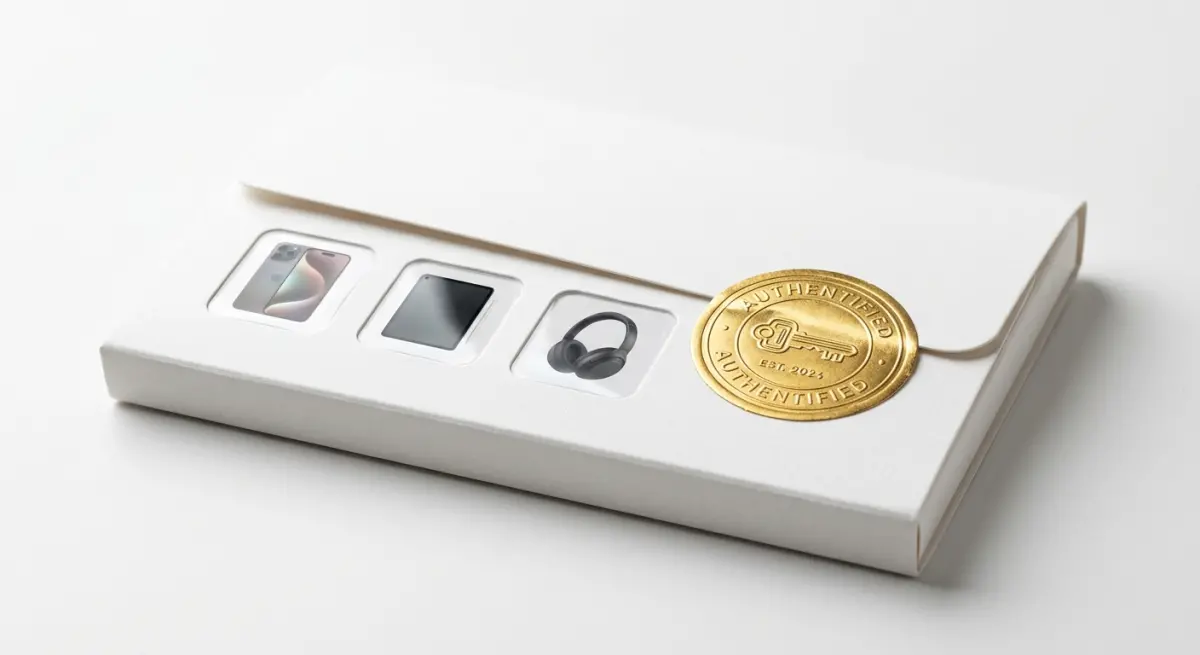
This one surprises a lot of clients. When you commission a render, you’re typically paying for the final image files — but that doesn’t automatically mean you own the 3D model that was built to create those images. Many studios retain the model as their own asset. That’s their right, but it creates a problem if you later want to add new color variants, create animated versions, or use the model for AR applications.
Some studios include model ownership as standard. Others offer it as an add-on. Some won’t transfer it at all. Get this in writing before the contract is signed. If you’re investing in a flagship product launch, owning the 3D model is almost always worth the extra cost — it’s a reusable asset that can serve your brand for years.
Similarly, clarify usage rights. Are you licensed to use the delivered renders for all commercial purposes, or are there restrictions on media channels, geographic regions, or time periods? Most reputable studios offer full commercial licensing as standard, but it’s worth confirming explicitly.
6. Evaluate Their Communication Process, Not Just Their Artwork
A client once told us they’d worked with a technically excellent studio whose renders were genuinely impressive — but the project was a nightmare because feedback took days to acknowledge and revisions were never confirmed before they were acted on. The final images were good. The process was awful. They switched studios for their next product line.
Look for studios that have a defined briefing process. They should ask you detailed questions before they start — not after. They should want to know your target background style, required output formats, intended use cases, brand color references, and any visual examples of the look you’re going for. If a studio takes your brief and immediately jumps into production without clarifying these things, you’re going to spend revision rounds correcting direction rather than refining quality.
Ask whether you’ll get a dedicated point of contact. Ask how feedback is submitted — email, a project management tool, a shared review platform. Ask whether they provide preview renders (sometimes called “clay renders” or “lighting passes”) before the final output, so you can catch issues early. These structural details matter as much as technical skill when you’re under deadline pressure.
7. Compare Pricing Structures, Not Just Price Points
Two studios might quote you similar per-image prices but have completely different cost structures underneath. One includes modeling in the render price. The other charges modeling separately and quotes only the rendering stage. One includes two rounds of revisions. The other charges per revision after the first. One delivers print-ready files as standard. The other charges a premium for anything over screen resolution.
Build a like-for-like comparison table before you decide. Here’s a simple framework:
| Cost Component | Studio A | Studio B |
|---|---|---|
| 3D modeling from CAD/drawings | Included | Extra charge |
| Revision rounds | 2 included | 1 included |
| Print resolution output | Standard | Premium tier |
| Color variant renders | Discounted per variant | Full price per variant |
| 3D model file ownership | Optional add-on | Not available |
Understanding the full cost of a project — not just the headline rate — lets you make a real comparison and avoid budget surprises mid-project.
Making the Final Call
Working with the right studio changes the quality of the output and the quality of the experience. When all seven of these factors check out — relevant portfolio, transparent process, technical clarity, realistic timelines, clear file ownership, structured communication, and honest pricing — you have a foundation for a productive working relationship. When any of them are vague or absent, that’s worth resolving before contracts are signed, not after delivery.
If you’re currently evaluating 3D product rendering companies and want to understand exactly what working with our team looks like — including our briefing process, deliverables, and pricing structure — get in touch with us. We’re straightforward about what we do well, what we charge, and what we need from you to produce work that actually performs.
Frequently Asked Questions
What should I look for in a 3D product rendering company's portfolio before signing a contract?
You should look for diversity in product types, industries, and rendering styles to ensure the company can handle your specific needs. Pay close attention to lighting quality, texture realism, and attention to detail in their previous work, as these elements directly reflect their technical skill level. A strong portfolio should also include examples similar to your product category so you can gauge their relevant experience.
How much does it typically cost to hire a 3D product rendering company?
Pricing for 3D product rendering services varies widely, ranging from $150 to $500 per image for basic renders and $1,000 to $5,000 or more for complex, photorealistic visuals with multiple angles or animations. Factors that influence cost include product complexity, the number of views required, turnaround time, and the studio's level of expertise and reputation. Always request an itemized quote before signing a contract so you fully understand what is and isn't included in the pricing.
What contract terms should I review before hiring a 3D product rendering company?
Before signing, carefully review ownership and intellectual property rights clauses to confirm that you will own the final rendered files and not just a license to use them. You should also examine revision policies, turnaround timelines, and payment terms, including deposit requirements and what happens if deadlines are missed. Vague or missing terms around file formats, resolution specifications, and confidentiality can lead to costly disputes later.
How do I verify the quality and reliability of a 3D product rendering company?
Start by requesting client references or reading verified reviews on platforms like Clutch, Google, or Trustpilot to get honest feedback from past clients. Ask for a paid test project or a sample render of your product before committing to a full contract, as this reveals both quality and communication style. Checking how long the company has been in business and whether they have worked with recognizable brands can also help you assess their reliability and stability.
What file formats and deliverables should a 3D product rendering company provide?
A professional 3D rendering company should deliver high-resolution image files in formats such as PNG, TIFF, or JPEG, depending on your intended use for print, web, or e-commerce platforms. You should also request the native 3D source files, such as OBJ, FBX, or the software-specific project files, so you retain full control and can make future edits without starting from scratch. Clearly define all deliverable specifications, including resolution, color profiles, and background requirements, in the contract before any work begins.